The sound of cleats hitting the dirt and the pop of catcher's mitts can only mean one thing: spring training is officially underway. While MLB players are reporting to camps in Florida and Arizona, fantasy managers are reporting to their draft rooms. To kick off the season, the first 2026 fantasy baseball mock draft has been completed, providing a vital blueprint for how the board is shaping up in head-to-head (H2H) points leagues.
This initial exercise featured 10 teams navigating a standard H2H points format. In this scoring system, high-volume pitchers and elite power hitters often carry more weight than speed specialists, leading to some interesting shifts in player valuation compared to traditional roto drafts. As we look at the round-by-round results, several trends have emerged that will define the early drafting landscape for the 2026 season.
The Elite Tier: 2026 Fantasy Baseball Mock Draft Top Picks
In a 2026 fantasy baseball mock draft, the first round is always about safety and astronomical ceilings. To no one's surprise, the top of the draft was dominated by multi-category superstars who offer immense stability in points leagues. Shohei Ohtani remains a focal point of draft discussions, especially as he continues to defy modern athletic expectations with his dual-threat capabilities.
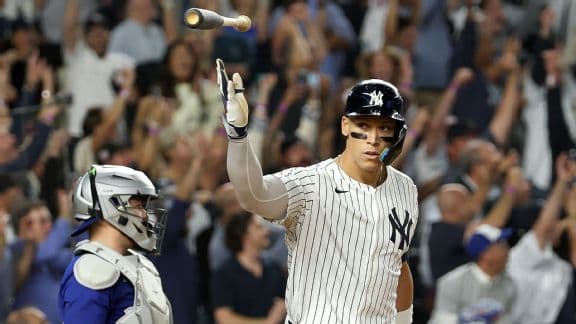
Joining Ohtani at the turn were perennial MVP candidates like Bobby Witt Jr. and Aaron Judge. Witt Jr. has solidified himself as a consensus top-three pick due to his ability to rack up total bases and runs scored, which are the lifeblood of points league scoring. Meanwhile, Judge’s elite walk rate and home run power provide a high floor that is nearly impossible to pass up in the middle of the first round. These players represent the gold standard for H2H points, where avoiding strikeouts and maximizing extra-base hits are the keys to a winning week.
Pitching Strategy: The Value of the Ace
One of the most debated topics in fantasy circles this year is when to pull the trigger on elite starting pitching. In this 10-team mock, we saw a clear divide in strategy. Some managers opted to secure an anchor early, targeting high-strikeout arms like Paul Skenes and Tarik Skubal in the second or third rounds.
In H2H points formats, the penalty for losses and earned runs can be punishing, but the rewards for quality starts and high strikeout totals make top-tier pitchers incredibly valuable. The mock draft results showed that while hitting is deep, the "reliable ace" tier is thinning out, leading to a mini-run on pitchers between rounds three and five. Managers who waited until the middle rounds found themselves piecing together rotations with high-upside but high-risk arms, a gamble that often determines the outcome of a fantasy season. Ensuring you have at least one pillar in your rotation appears to be a priority for managers in 2026.
Mid-Round Values and Roster Construction
The meat of the 2026 fantasy baseball mock draft occurred in rounds six through ten. This is where league winners are often found. The mock draft highlighted several players who may be undervalued heading into the spring, ranging from established veterans to young stars ready to take the next step in their development.
Power-Speed Threats
Managers prioritized players who can provide 20+ home runs and 20+ steals in the middle rounds to fill out their outfield spots. While stolen bases are often weighted less in points leagues than in roto, the cumulative effect of a player who contributes in every category provides a significant weekly floor.
Veteran Consistency at the Corners
The corner infield positions remain deep, allowing managers who went heavy on pitching early to find productive bats later in the draft. Established veterans like Rafael Devers and Freddie Freeman continue to provide elite production. Their ability to consistently drive in runs and maintain high on-base percentages makes them ideal targets for managers looking for stability in the middle of their lineups.
Third-Year Breakout Candidates
A significant trend in this year's mock was the aggressive targeting of players entering their third season in the big leagues. History shows this is often when elite prospects fully adjust to major league pitching and see a statistical surge. Players like Wyatt Langford and Dylan Crews were highly sought after in this range, as managers bet on their pedigree and the likelihood of a 2026 breakout campaign.
The Closer Carousel
Interestingly, elite closers were drafted earlier than in previous years. In H2H points, the stability of guaranteed saves and low WHIPs is essential to supplement weekly point totals. Managers showed a willingness to reach for top-tier relievers to avoid the volatility of the waiver wire later in the season.
Looking Ahead to the 2026 Season
As these mock draft rosters take shape, it is clear that the 10-team format allows for every squad to look "stacked" on paper. However, the difference between a championship run and a middle-of-the-pack finish will come down to identifying which players have the highest plate-appearance-to-point efficiency. In points leagues, avoiding high-strikeout hitters who don't walk is just as important as drafting for pure home run power.
With pitchers and catchers now officially reporting, these average draft positions (ADP) will fluctuate based on spring training performance and health updates. This first mock draft serves as a critical baseline for managers to begin their research and refine their strategies before the real drafts begin in March. Staying flexible and monitoring the progress of both veterans and third-year breakouts will be the key to fantasy success in 2026.
Sources & Original Reporting