In the modern era of professional baseball, technology is often viewed as the ultimate solution to human error. However, during Saturday’s contest between the Athletics and the New York Yankees, the MLB ABS system gaffe served as a stark reminder that even automated systems are susceptible to technical hiccups. At Sutter Health Park in West Sacramento, a pitch that clearly missed the strike zone was upheld as a strike by the automated software, sparking a wave of conversation regarding the readiness of the technology for full-time Major League implementation.
Technical Error at Sutter Health Park
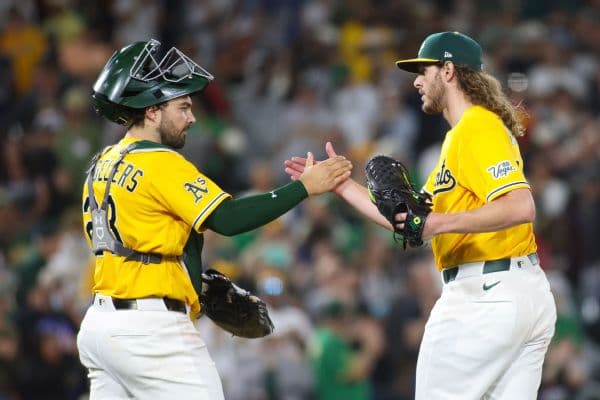
The incident took place during a high-stakes plate appearance involving Athletics catcher Shea Langeliers. Facing Yankees pitcher Ryan Weathers, Langeliers took a pitch that appeared to be significantly outside the zone. Under the current Automated Ball-Strike (ABS) testing protocols, the system is designed to provide an objective ruling using high-resolution cameras and 3D tracking data.
In this specific instance, the visual evidence and the digital tracking did not align. Replays and broadcast tracking software confirmed that the delivery from Weathers missed the strike zone by just under an inch. Despite the clear gap, the ABS system registered the pitch as a strike. While the Athletics dugout was understandably frustrated by the call, the team showed resilience. Despite the early-count disadvantage caused by the automated error, Langeliers remained disciplined and eventually drew a walk later in the same plate appearance.
Analyzing the MLB ABS System Gaffe and its Repercussions
The ABS system, often colloquially referred to as the "robot umpire," utilizes the Hawk-Eye tracking network to monitor the flight of the ball in real-time. When the ball crosses the plane of the strike zone, a signal is transmitted to the home plate umpire’s earpiece. On Saturday, the "ghost in the machine" appeared to be a rare synchronization or calibration discrepancy where the internal data processed by the software failed to match the physical path of the ball.
League officials have long touted the consistency of the automated zone, but this specific glitch highlights the challenges of moving away from human judgment. Unlike a human umpire, who might acknowledge a missed frame or a late break, the computer's word is currently final within the ABS framework used in these matchups. For the Sacramento-based Athletics, the timing of the error was a focal point of the afternoon, emphasizing that even a one-inch margin of error can alter the dynamics of an at-bat.
The Future of the Automated Strike Zone
Commissioner Rob Manfred has been vocal about the potential transition to a full-time ABS system or a challenge-based system in the near future. While the technology has been refined through extensive use in Triple-A and spring training, Saturday's event provides a case study for the league's competition committee. The goal of the technology is to eliminate controversy, yet this technical failure created a new form of it.
Primary Technical Concerns
- Calibration Accuracy: Maintaining the precise 3D coordinates of the strike zone across different stadiums and weather conditions remains a significant hurdle.
- System Overrides: Currently, there is no standardized protocol for a home plate umpire to overturn a system call that is demonstrably incorrect based on live video evidence.
- The Definition of the Zone: The ABS uses a two-dimensional plane at the midpoint of the plate, which can sometimes lead to "strikes" on pitches that barely clip the zone in a way a human umpire would never call.
As the Athletics continue their 2026 season in West Sacramento, the league will undoubtedly review the data from this game to prevent similar occurrences. While the Yankees were the beneficiaries of the glitch on this occasion, the broader concern for Major League Baseball is ensuring that the technology is 100% reliable before it becomes the permanent standard for the sport. For now, the players and coaching staff must navigate the growing pains of a game in transition, where the earpiece of the umpire is just as influential as the swing of the bat.
Sources & Original Reporting