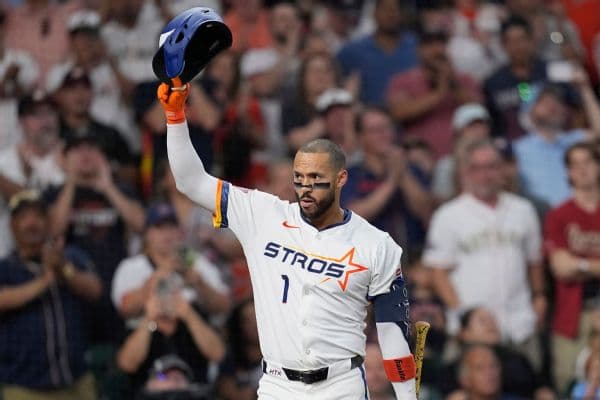
In a move that underscores the immense cultural weight of international baseball, music icon Bad Bunny reportedly attempted to intervene in a major contract hurdle for the upcoming 2026 World Baseball Classic. Houston Astros star Carlos Correa recently revealed that the global superstar offered to personally cover the Carlos Correa WBC insurance costs to ensure the shortstop could take the field for Team Puerto Rico.
As the baseball world prepares for the 2026 tournament, the logistics of player participation have once again taken center stage. For elite athletes like Correa, who is a cornerstone of the Houston Astros infield, the process of representing one's country is often dictated by complex insurance policies designed to protect multi-million dollar MLB contracts. While the gesture from the world's most-streamed artist made headlines, the reality of professional sports management ultimately led to a different outcome.
The Struggle Over Carlos Correa WBC Insurance
The issue of Carlos Correa WBC insurance has become a focal point of the lead-up to the 2026 event. In professional baseball, players with significant contract values or specific health histories often require specialized insurance coverage to participate in non-MLB sanctioned events. These policies ensure that if a player sustains a season-ending or career-ending injury while playing for their national team, their MLB club is not left responsible for the full weight of the remaining salary.
Correa, who has navigated various health-related hurdles throughout his career, found himself in a position where standard tournament insurance was insufficient. The high premiums and the specific requirements of his Houston Astros contract created a financial and administrative barrier that threatened his ability to join the Puerto Rican roster—a team often referred to as "Team Rubio."
A Global Icon Steps In: The Bad Bunny Proposal
Enter Bad Bunny (Benito Antonio Martínez Ocasio), who has long been a vocal supporter of Puerto Rican athletes and is a co-founder of Rimas Sports. Understanding the importance of having the island's best talent on the field, the music mogul offered to foot the bill for the insurance premiums. This was not merely a celebrity endorsement but a direct attempt to use his resources to bolster the national team's chances.
According to Correa, the offer was a testament to the singer's dedication to Puerto Rican culture. However, despite the generosity of the offer, the plan faced immediate scrutiny from the governing bodies of the sport. In the high-stakes world of MLB contract law, the source and type of insurance coverage are subject to strict approval processes involving the league, the individual teams, and the players' representation.
Why the Insurance Deal Was Ultimately Declined
Despite the high-profile nature of the offer, the Carlos Correa WBC insurance proposal was ultimately declined. The decision was not based on a lack of funds, but rather on the technicalities of the insurance provider itself. The specific provider proposed for the private policy was not approved by the following key parties:
- Major League Baseball (MLB): The league maintains strict standards for which insurance underwriters are permitted to cover active roster players.
- The Houston Astros: As the primary employer, the Astros required a policy that met their specific risk-assessment criteria to protect their long-term investment in Correa.
- Correa’s Agent: Professional representation must ensure that any secondary insurance policy does not inadvertently void clauses in the player's primary MLB contract.
Because the specific insurance entity did not meet these institutional requirements, the deal could not move forward, leaving Correa and Team Puerto Rico to seek alternative solutions for the 2026 tournament cycle.
The Cultural Impact of the World Baseball Classic
While the insurance offer did not result in a signed policy, the revelation highlights the evolving nature of the World Baseball Classic. What was once seen as a simple exhibition has transformed into a high-stakes international conflict where pop culture and professional sports intersect. For Puerto Rico, the WBC is a matter of national pride, often uniting the island in a way few other events can.
For Carlos Correa, the desire to play remains high, but the complexities of being a franchise player for the Houston Astros remain the primary obstacle. As the 2026 tournament approaches, the conversation around how to better facilitate the participation of MLB’s biggest stars continues to grow. For now, the story of Bad Bunny's offer serves as a reminder of the lengths to which fans and icons alike will go to see their national colors represented on the diamond.
Sources & Original Reporting