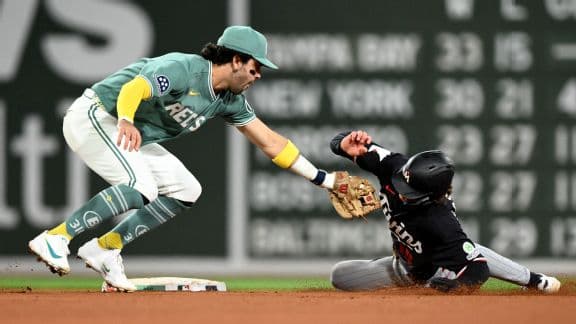
In the high-stakes world of competitive fantasy leagues, speed has undergone a radical transformation. Since the Major League Baseball rule changes were implemented to encourage more action on the basepaths, the landscape of fantasy baseball stolen bases has shifted from a scarce commodity to a volatile strategic pillar. As we move through the 2026 season, fantasy managers are facing a critical question: Have MLB defenses finally adjusted to the larger bases and limited pitcher disengagements, or is there still an edge to be found?
The Evolution of the Stolen Base Era
The 2023 rule changes—specifically the introduction of 18-inch bases and the limit of two pickoff attempts per plate appearance—triggered an immediate and massive spike in stolen base attempts and success rates. For the first few seasons following the change, fantasy managers saw a league-wide explosion in speed stats, making it easier than ever to find double-digit steals on the waiver wire. However, the data from the first half of 2026 suggests that the “easy money” era of base stealing may be tightening up as teams prioritize defensive efficiency.
Pitching staffs and catching units have spent the last three years refining their slide steps and pop times to combat the advantage given to runners. While the physical distance between bases remains shorter, the mental game between the pitcher and the runner has reached a new equilibrium. Understanding this balance is the first step to leverage speed assets effectively on your roster and avoid falling behind in a category that remains highly volatile.
Have Defenses Finally Caught Up?
Statistical analysis from the current season indicates that while the total volume of stolen base attempts remains higher than the pre-2023 era, the success rate is beginning to stabilize. Catchers are increasingly focusing on exchange speed rather than pure arm strength, and pitchers are utilizing their two allowed disengagements more strategically to freeze runners. This means that the “opportunistic” runner—the player who isn't inherently fast but took advantage of the initial rule confusion—is seeing their fantasy utility plummet.
To optimize returns in the current climate, fantasy managers must look beyond raw totals and focus on efficiency. A player who steals 20 bases but is caught 10 times can actually hurt your team in certain formats, especially those that penalize for caught stealing. The elite tier of base stealers remains those who combine high-end sprint speed with the high baseball IQ necessary to read a pitcher’s delivery in a post-limit environment. Elly De La Cruz and Ronald Acuña Jr. remain the gold standards, but the middle class of speed is where championships are won or lost.
Strategic Allocation of Fantasy Baseball Stolen Bases
When building a roster in 2026, the goal should be to avoid the “speed trap”—overpaying for a one-dimensional player whose only contribution is stolen bases. Instead, look for “plus-value” runners who contribute across multiple categories. Here are three ways to leverage speed assets for a balanced roster:
The Anchor Strategy
This strategy involves securing one elite speedster in the first three rounds of your draft. Having a player who can reliably contribute 40+ steals allows you to be more selective with your remaining roster spots. By anchoring your team with a high-volume runner, you reduce the pressure to chase low-average speed specialists in the later rounds, allowing you to focus on power and pitching depth.
Targeting High Success Rates
Efficiency is the name of the game in 2026. Prioritize players with a stolen base success rate of 80% or higher. These players are less likely to be given the “red light” by their managers as MLB defenses improve. Managers are becoming less tolerant of outs on the basepaths, so a high success rate is the best insurance policy for a player's continued green light throughout the long summer months.
The Lead-Off Advantage
In fantasy baseball, volume is king. Players hitting at the top of the order naturally get more plate appearances and more opportunities to reach first base, increasing their statistical floor for steals. Even a player with moderate speed can optimize returns if they are hitting in front of elite power hitters, as pitchers are often too focused on the batter to worry about the runner on first.
Identifying High-Efficiency Runners
As we analyze the current MLB landscape, the value of fantasy baseball stolen bases is increasingly tied to team philosophy. Some organizations have leaned into the “green light” approach, while others remain conservative despite the rules. When scanning the trade market or waiver wire, look for players on teams that rank in the top third of the league in total attempts. A player’s individual speed is only as valuable as his manager’s willingness to let him run.
Furthermore, pay close attention to “sprint speed” metrics provided by Statcast. Players in the 90th percentile or higher are still the safest bets to outrun the defensive improvements we’ve seen in 2026. By focusing on these high-efficiency athletes, you can ensure that your team stays at the top of the standings without sacrificing power or batting average. Look for young prospects who have recently been called up, as they often bring an aggressive baserunning style that has yet to be scouted heavily by opposing batteries.
Conclusion: The New Normal
The stolen base is no longer the rare gem it was in 2019, but it is no longer the free-for-all it was in 2023. We have entered a period of “The New Normal,” where defensive adaptation has made base stealing a skill of precision rather than just a byproduct of the rules. By focusing on efficiency, team context, and high-IQ runners, fantasy managers can navigate the 2026 season and turn the stolen base category into a consistent winning advantage. Success in this era requires a nuanced approach: don't just chase the numbers; chase the efficiency that creates them.
Sources & Original Reporting