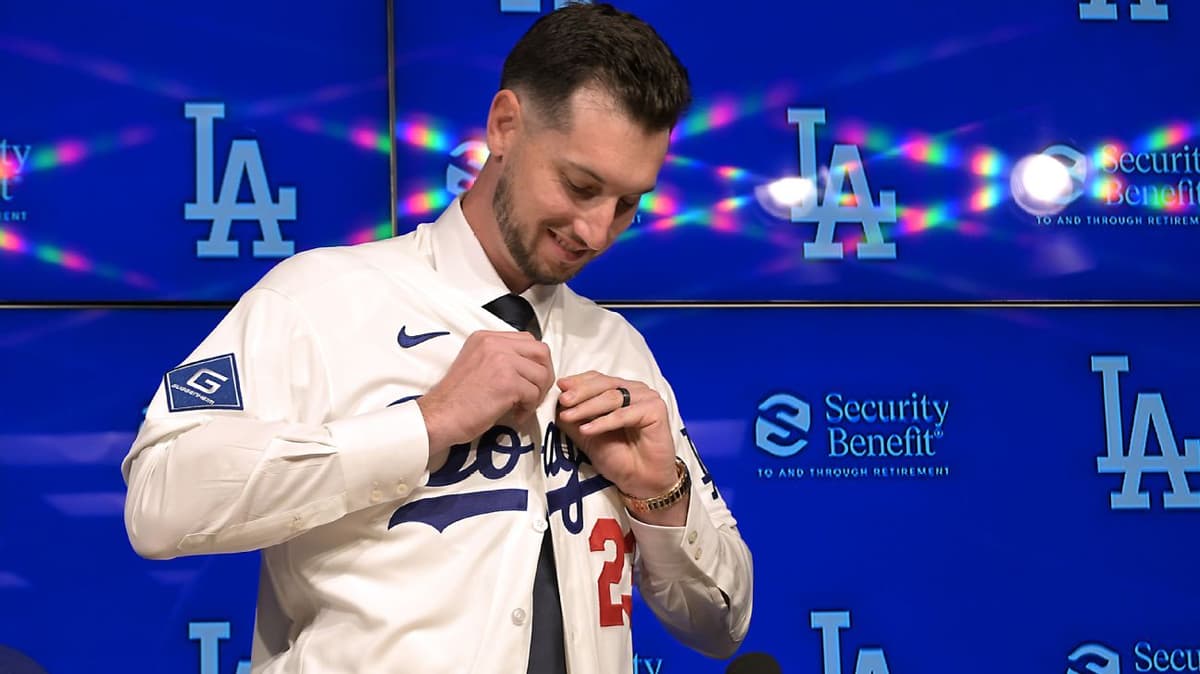
The Los Angeles Dodgers have once again sent shockwaves through the baseball world, but the ripple effects of the Kyle Tucker Dodgers contract extend far beyond the outfield grass of Chavez Ravine. While the signing represents a massive win for a franchise already deep with talent, it has simultaneously become a lightning rod for the growing economic tensions within Major League Baseball. As the league moves closer to the expiration of the current Collective Bargaining Agreement (CBA) in 2026, this deal is being viewed as a catalyst for what could be the most contentious labor battle in decades.
The Impact of the Kyle Tucker Dodgers Contract on Competitive Balance
When a superstar like Kyle Tucker hits free agency, the expectation is usually a bidding war among the league's elite. However, the Dodgers' ability to consistently land top-tier talent has raised questions about the effectiveness of the current luxury tax system. The Kyle Tucker Dodgers contract isn't just a financial commitment; it is a symbol of a widening chasm between the league's financial titans and the rest of the field.
For fans of teams in smaller markets, the sight of the Dodgers stacking another All-Star onto a roster that already features generational talents is a source of intense frustration. This sentiment isn't limited to the bleachers. Rival owners are reportedly increasingly agitated by the concentration of talent in a few select markets, arguing that the current system does not do enough to ensure a level playing field. The Dodgers, along with the New York Yankees and New York Mets, have created a tier of spending that many franchises simply cannot—or will not—match.
The Rising Tensions Among MLB Owners and Players
The current state of MLB labor relations is precarious. While the league has enjoyed a period of relative labor peace since the 2022 lockout, the underlying issues were never fully resolved; they were merely delayed. The aggressive spending seen this offseason by the Dodgers and the Toronto Blue Jays has highlighted the disparity in how different ownership groups approach the game.
On one side, you have the "big spenders" who argue that their investment drives league interest and revenue. On the other, smaller-market owners often point to the rising costs of talent as a barrier to sustainability. Players, represented by the MLBPA, are watching these developments closely. For the players, the Kyle Tucker Dodgers contract is a victory—a high-water mark for player value. However, they are also aware that if only a handful of teams are willing to pay these prices, the overall market for the average player could stagnate.
The Road to 2026: Why Labor Peace is at Risk
The current CBA is set to expire after the 2026 season, and the rhetoric is already beginning to sharpen. The Kyle Tucker Dodgers contract serves as a case study for the arguments both sides will bring to the table. Owners may push for more restrictive spending caps or a hard salary cap to prevent "super-teams" from dominating the landscape. Conversely, the players are expected to fight any measures that limit their earning potential or mobility in free agency.
Key issues likely to dominate the next round of negotiations include:
- The Luxury Tax Thresholds: Players want higher thresholds to encourage spending, while some owners want stiffer penalties for exceeding them.
- Revenue Sharing: How money is distributed from the big-market teams like the New York Yankees to smaller franchises remains a point of contention.
- Service Time Manipulation: The union continues to seek ways for players to reach free agency earlier in their careers.
- The Tanking Problem: Ensuring that all teams have a financial incentive to field a competitive roster every year.
A Turning Point for Major League Baseball
The frustration felt by fans is perhaps the most dangerous element for the league. When a significant portion of the fan base feels their team has no realistic chance of competing for a championship due to financial constraints, the long-term health of the sport is at risk. The Kyle Tucker Dodgers contract has amplified these concerns, making the upcoming labor negotiations about more than just dollars and cents—it’s about the soul of the game.
As we look toward 2026, the question is no longer if there will be a struggle, but how intense that struggle will be. The Dodgers have built a powerhouse, but in doing so, they may have set the stage for a fundamental shift in how Major League Baseball operates. Whether that shift leads to a more equitable league or a prolonged work stoppage remains to be seen, but the era of labor peace is officially under pressure.
Sources & Original Reporting