Every baseball fan enters the winter with a wish list of superstar free agents and blockbuster trades, yet the reality of the MLB 2026 Offseason often looks more like a calculated chess match than a spending spree. While headlines are often dominated by the few teams that break the bank, the most significant stories frequently involve the moves that weren't made. As we approach Spring Training, understanding the logic behind these non-moves is essential for forecasting the 2026 playoff race.
The Strategy Behind the MLB 2026 Offseason
The MLB 2026 Offseason has been defined by a cautious approach to roster construction. Across the league, front offices are increasingly prioritizing long-term sustainability over short-term excitement. For teams like the Cleveland Guardians and Tampa Bay Rays, the decision to stand pat isn't a sign of complacency but a commitment to a developmental pipeline that has consistently kept them in contention. These organizations often skip the high-priced veterans to ensure they have the financial flexibility to extend their own homegrown stars when the time is right.
In contrast, the Seattle Mariners and Toronto Blue Jays faced a different dilemma this winter. Fans expected aggressive upgrades to their lineups, but the front offices opted for internal improvements and minor tweaks. The logic here often rests on the belief that the current core has yet to reach its ceiling. By avoiding massive contracts that could become liabilities in three years, these teams are betting on their coaching staffs to extract more value from the existing roster.
Heavy Hitters and the Luxury Tax Hurdle
For the league's financial titans, the story of the winter was the luxury tax. The New York Yankees, Los Angeles Dodgers, and Philadelphia Phillies are all operating in a stratosphere where every additional dollar spent comes with a significant penalty. This offseason, we saw these powerhouses pass on secondary stars that would have been obvious targets in previous years. For the Yankees, the focus remained on stabilizing the rotation rather than adding another high-priced bat, reflecting a shift toward defensive reliability.
The Atlanta Braves and Houston Astros also displayed a surprising level of restraint. Both organizations have built cultures of winning through elite scouting and savvy mid-level signings. Their refusal to engage in bidding wars for top-tier relievers or bench depth suggests a confidence in their ability to find "diamonds in the rough" during the mid-season trade deadline. For these perennial contenders, the MLB 2026 Offseason was about maintaining a championship window that remains wide open without mortgaging the future.
The Rising Middle Class: Royals, Tigers, and Orioles
One of the most intriguing aspects of this winter was the behavior of the "rising" teams. The Kansas City Royals and Detroit Tigers, both coming off promising campaigns, were expected by many to be the primary aggressors in free agency. Instead, they focused on targeted veteran leadership. The Baltimore Orioles, now firmly in their winning window, also avoided the "megadeal," choosing instead to rely on a farm system that remains the envy of the league. These teams are proving that the path to a World Series doesn't always require winning the winter headlines.
Rebuilding Realities in the National League
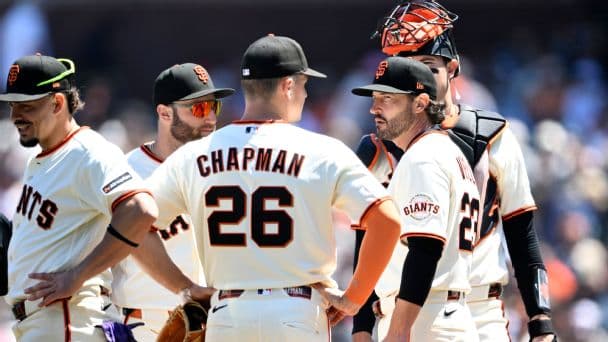
In the National League, the St. Louis Cardinals and San Francisco Giants took measured steps rather than giant leaps. The Cardinals, in particular, have been focused on resetting their pitching infrastructure, a process that doesn't always result in flashy signings but is crucial for long-term health. Meanwhile, the Chicago Cubs and New York Mets found themselves in a "wait and see" mode, opting to see how their younger prospects integrate into the major league level before committing to external upgrades.
Forecasting the Playoff Impact
While fans may feel frustrated by a lack of activity, the impact of these non-moves will be felt most acutely in August and September. Teams like the Arizona Diamondbacks and San Diego Padres have left themselves enough "dry powder" to be the primary movers at the trade deadline. By not overspending in January, they have positioned themselves to address specific needs once the 2026 season reveals where their true weaknesses lie.
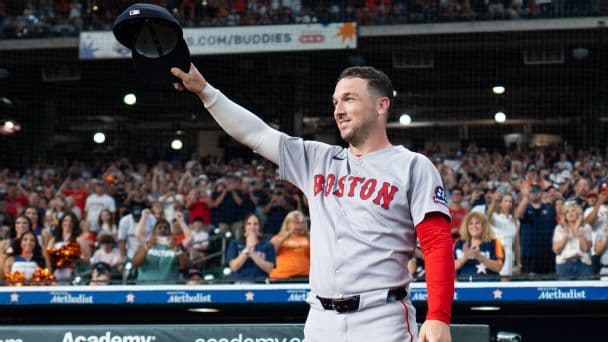
Ultimately, the MLB 2026 Offseason reminds us that roster building is a year-round endeavor. The teams that didn't do what you wanted this winter are often the ones with the clearest vision for where they want to be in October. Whether it's the Minnesota Twins trusting their data or the Boston Red Sox focusing on pitching depth, the quietest winters often precede the loudest autumns.
Sources & Original Reporting