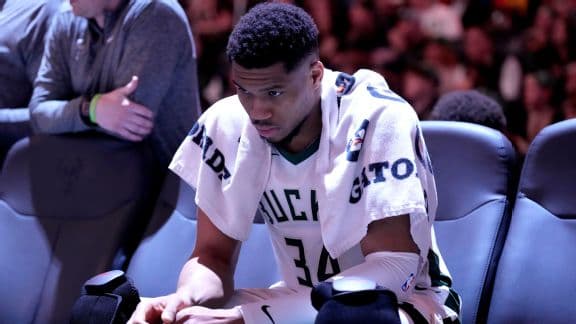
The NBA landscape is no stranger to "superstar watch," but the ongoing Giannis Antetokounmpo trade rumors have taken a turn into the bureaucratic. While fans and analysts debate which package of first-round picks and young talent could pry the "Greek Freak" away from the Milwaukee Bucks, a much more complex hurdle remains behind the scenes: a unique and increasingly volatile ownership structure.
The Rotating Governor Dilemma
At the heart of the confusion is the Bucks' unusual governance model. Unlike most NBA franchises with a single majority owner, the Bucks operate under a rotating governorship between Wes Edens and Jimmy Haslam (who purchased Marc Lasry’s stake in 2023). Every five years, the "Governor" role—the person with final say on team operations and league voting—switches between the two owners.
For rival front offices, this creates a logistical nightmare. If a team wants to engage in high-level Giannis Antetokounmpo trade talks, they aren't just dealing with General Manager Jon Horst; they are dealing with a dual-headed ownership group that may not always see eye-to-eye on the long-term direction of the franchise. With the governorship set to rotate again in the coming years, the question of who holds the ultimate veto power over a franchise-altering move is a major deterrent for potential trade partners.
Financial Turmoil and the Luxury Tax
Beyond the governance structure, the Bucks are facing significant financial pressure. The team is deep into the "second apron" of the NBA's new Collective Bargaining Agreement (CBA), which carries heavy penalties for high-spending teams. Recent reports suggest there is internal friction regarding how to handle these escalating costs.
- Wes Edens has been a fixture of the Bucks' rise to a championship and has historically been willing to spend.
- Jimmy Haslam, also the owner of the NFL's Cleveland Browns, brings a different executive style and is still acclimating to the NBA's specific financial restrictions.
- The escalating luxury tax bill makes a roster overhaul difficult without a total ownership consensus on future spending.
When owners have differing philosophies on spending, the front office often finds its hands tied. This "financial turmoil" isn't just about the money on the court; it's about the willingness of the owners to continue funding a championship contender that is aging and increasingly expensive.
The Impact on Potential Trade Partners
NBA executives from rival teams have expressed confusion over the Bucks' hierarchy. In a typical trade scenario involving a player of Giannis’s caliber, the lines of communication are clear. However, the current state of the Milwaukee Bucks ownership has left teams wondering: Who is actually in charge of the rebuild?
If the Bucks were to entertain a trade, the deal would require approval from an ownership group that may have conflicting priorities. One owner might favor a full "blow-it-up" rebuild to reset the books and avoid the second apron, while the other might prefer to remain competitive to maintain the franchise's valuation. This lack of a unified front makes the already difficult task of trading a two-time MVP nearly impossible to navigate during a single offseason window.
What This Means for Giannis Antetokounmpo
While Giannis Antetokounmpo has remained loyal to Milwaukee, the instability at the top cannot be ignored. A player of his stature requires a stable environment to compete for titles. If the ownership friction begins to impact the front office's ability to improve the roster around him, the pressure for a trade may eventually come from the player himself rather than the market.
For now, the Bucks are caught in a holding pattern. The combination of an aging roster, a restrictive CBA, and a complicated ownership hierarchy has turned a potential Giannis Antetokounmpo trade into one of the most complex puzzles in modern NBA history. Until there is clarity on who is steering the ship in Milwaukee, the "trade watch" will likely remain more of a stalemate than a sprint.
Sources & Original Reporting