Every great era in the NBA requires a protagonist to root for and a villain to despise. For years, the Oklahoma City Thunder occupied the former role, serving as the league's darling rebuilding project—a collection of young talent and an unprecedented mountain of draft picks. However, that honeymoon phase is officially over. As the Thunder have ascended to the top of the Western Conference standings, they have traded their underdog status for a much more polarizing label: the Oklahoma City Thunder villains of the modern NBA.
The Lakers and the Breaking Point of Officiating Frustration
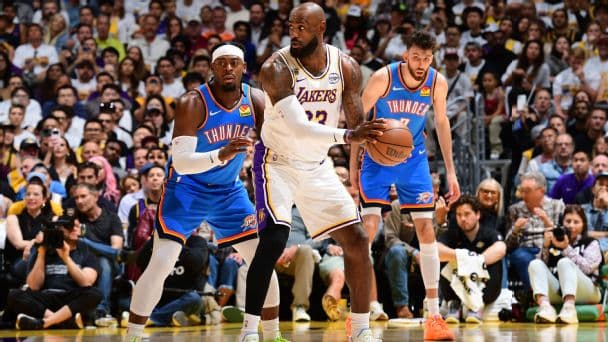
The transition from "scrappy upstart" to "villain" often begins when established powers start complaining. Following a recent matchup, the Los Angeles Lakers became the latest high-profile team to voice their displeasure regarding how the Thunder are officiated. The narrative surrounding the Thunder has shifted from praising their efficiency to questioning the frequency with which they reach the free-throw line.
Opposing teams and fanbases have grown increasingly vocal about the "whistle" the Thunder receive, particularly in late-game situations. This friction reached a boiling point as veteran players and coaches across the league began to hint that the Thunder's physical style of play is rewarded on one end while their opponents are penalized for similar contact on the other. For a team as young as Oklahoma City, earning the ire of the league's blue-blood franchises like the Lakers is a clear sign that they are no longer being viewed as a developmental novelty, but as a genuine threat that must be dismantled.
Shai Gilgeous-Alexander: The MVP Candidate at the Center of the Storm
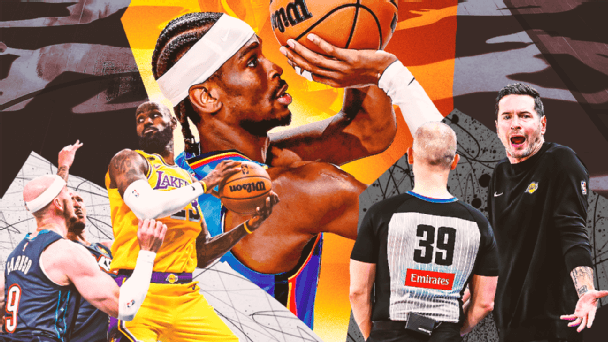
At the heart of the Oklahoma City Thunder villains narrative is their superstar guard, Shai Gilgeous-Alexander. As a perennial MVP candidate, Gilgeous-Alexander has mastered the art of the drive, using a unique cadence and elite footwork to navigate through defenses. However, his ability to draw fouls has become a major point of contention for rival teams.
Critics argue that Gilgeous-Alexander benefits from a superstar whistle that makes him nearly impossible to guard without sending him to the charity stripe. While Thunder fans see a technician who understands how to manipulate defender positioning, opponents often see a player who "grifts" for contact. This divide in perception is the hallmark of an NBA villain. When a player becomes too good at a specific, frustrating skill—like drawing fouls—the respect for their talent often turns into resentment from the rest of the league.
A Defensive Identity Built on the Edge
It isn't just the offense that is drawing heat; the Thunder’s defensive personnel have also played a role in their new reputation. The addition of Alex Caruso to a core that already featured Luguentz Dort has given Oklahoma City perhaps the most irritating perimeter defense in the NBA. Both players are known for their high-intensity, physical approach that often borders on the edge of what officials will allow.
Luguentz Dort has long been known as a "pest" on the defensive end, using his strength to stonewall elite scorers. Now, paired with Alex Caruso, the Thunder possess a defensive duo that can disrupt an opponent's rhythm for 48 minutes. While this physicality is a coach's dream, it frequently leads to frustration from opposing stars who feel the Thunder are allowed to play a more aggressive brand of basketball than the rest of the league. This defensive "edge" is essential for winning, but it rarely wins over the hearts of neutral observers or disgruntled rivals.
The Evolution of a Contender: From Likable to Feared
Ultimately, the emergence of the Oklahoma City Thunder villains arc is a natural byproduct of success. In the NBA, teams are generally liked when they are losing or "promising," and hated once they start winning consistently. The Thunder are no longer the team of the future; they are the team of the now. They have arrived ahead of schedule, and they have done so with a swagger that rubs some the wrong way.
The shift in perception from the Lakers and other Western Conference rivals serves as a backhanded compliment. No one complains about the officiating or the playstyle of a team that doesn't matter. By becoming the league's newest villains, the Thunder have signaled to the rest of the NBA that the rebuild is over, the championship window is open, and they aren't here to make friends—they're here to win.
Sources & Original Reporting