The NBA postseason is traditionally known for its increased physicality and the unspoken rule that referees should "let the players play." However, during the 2026 postseason, that narrative has shifted dramatically. The league is currently witnessing a significant spike in officiating activity, with NBA playoff foul calls increasing by approximately 11 percent compared to the regular season. This surge represents one of the largest officiating differentials in the history of the league, sparking intense debate among fans, coaches, and players as the quest for the Larry O'Brien Trophy intensifies.
The Numbers Behind the 11 Percent Surge
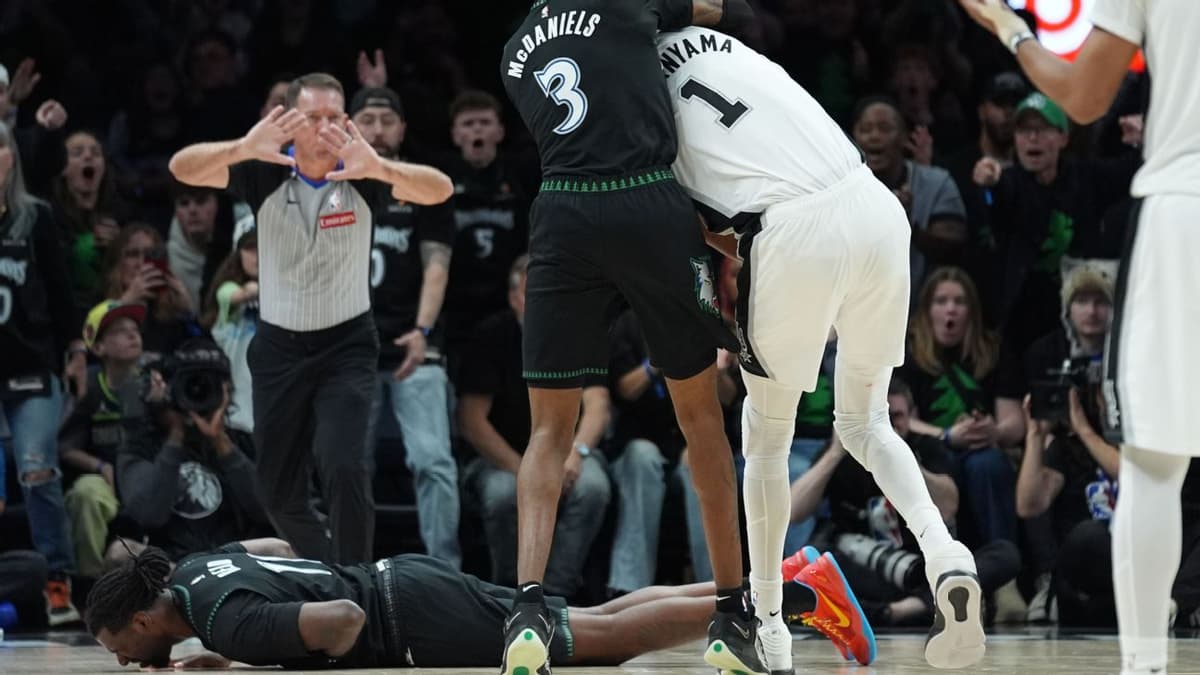
According to official league data, NBA referees are blowing the whistle at a much higher frequency during these 2026 playoffs than they did throughout the 82-game regular season. This 11 percent increase in personal fouls per game is a stark departure from historical trends. Typically, the heightened intensity of the playoffs leads to a stabilization or even a slight dip in foul calls as officials allow for more marginal contact in high-stakes moments. Instead, the current postseason has seen a tighter whistle that has fundamentally altered the flow of nearly every series.
The league has been quick to defend this trend, clarifying that the increase is not the result of a mid-season rule change, but rather a renewed commitment to consistency. The NBA’s officiating department has emphasized that the criteria for a foul must remain the same regardless of the magnitude of the game. The league’s stance is clear: if a play is a foul in the middle of December, it must remain a foul during a pivotal Game 7 in May.
The Historical Context of NBA Playoff Foul Calls
To understand why this 11 percent jump is so significant, one must look at the long-standing traditions of the game. For decades, the "playoff atmosphere" was synonymous with a rugged style of play where offensive stars had to battle through contact that would be easily whistled during the regular season. In 2026, the data suggests a reversal of that philosophy. The league is prioritizing "freedom of movement," ensuring that defenders do not gain an unfair advantage through hand-checking or excessive body contact in the paint.
This shift has had a direct impact on how physical teams like the New York Knicks and the Los Angeles Lakers approach their defensive schemes. Both organizations rely on a heavy, physical presence to disrupt opponents, but the tighter officiating has forced rapid adjustments. For teams like the Cleveland Cavaliers, who boast a formidable frontcourt, the higher frequency of NBA playoff foul calls means that depth and bench management have become the most critical factors in their survival, as starters frequently find themselves in early foul trouble.
Impact on the League’s Rising Stars and Contenders
The current officiating climate is also shaping the experience for the league's most high-profile talents. While Victor Wembanyama and the San Antonio Spurs continue their development toward elite contention, the league-wide officiating trends set a massive precedent for how the young superstar will be guarded in future postseasons. Given Wembanyama’s unique defensive gravity and the contact he draws on offense, a league that is willing to call fouls at an 11 percent higher rate in the playoffs could significantly boost his efficiency in the years to come.
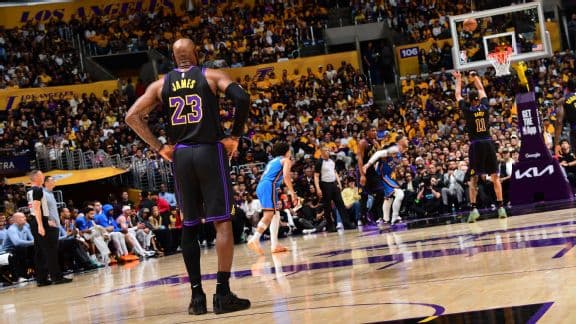
Meanwhile, active 2026 contenders like the Oklahoma City Thunder and the Minnesota Timberwolves are navigating this reality in real-time. The Thunder, led by their aggressive perimeter scorers, have seen a notable increase in free-throw opportunities. Conversely, the Timberwolves' top-ranked defense has had to walk an incredibly fine line to maintain their signature intensity without putting opponents on the charity stripe for 30-plus attempts per game.
Protecting Game Integrity and Skill
The NBA's defense of these numbers centers on the concept of game integrity. League officials argue that "letting them play" can often devolve into a chaotic environment where elite skill is overshadowed by brute force. By maintaining a high volume of NBA playoff foul calls, the league believes it is protecting its most talented players and ensuring that the outcome of games is determined by basketball skill rather than which team can be more physically intimidating.
Critics, however, argue that the frequent whistles disrupt the rhythm of the game and lead to longer, more disjointed broadcasts. Despite the pushback, the league remains firm, suggesting that players and coaches will eventually adjust to the tighter officiating standards. As the 2026 playoffs move toward the Finals, all eyes will be on the referees to see if this 11 percent trend holds steady or if the traditional "let them play" philosophy makes a late-round comeback.
Key Takeaways from the Officiating Report:
- 11% Increase: Personal fouls are up significantly in the 2026 playoffs compared to the regular season.
- Consistency Focus: The NBA claims they are enforcing existing rules more strictly to ensure a level playing field.
- Tactical Adjustments: Teams like the Knicks and Lakers are being forced to rethink their physical defensive identities.
- Star Protection: Tighter whistles generally benefit high-usage offensive players and skill-oriented teams like the Thunder.
Sources & Original Reporting