In the modern NBA, the divide between the "haves" and the "have-nots" is no longer measured solely by wins and losses. With the implementation of the restrictive second apron in the Collective Bargaining Agreement, draft capital has become the ultimate leverage. The latest NBA draft asset rankings reveal a fascinating trend: the league's elite are no longer just those at the top of the standings, but those who have successfully stockpiled the currency of the future. For the first time in years, the NBA's two best teams are also members of a group of franchises that control much of the next eight drafts.
As we look toward the 2026 cycle, these rankings categorize all 30 teams into seven distinct tiers. This hierarchy evaluates unprotected first-rounders, pick swaps, and the projected value of selections owned from other franchises. While some teams are positioned to dominate the trade market, others are facing a decade of limited flexibility as they navigate the high costs of going "all-in."
The Elite Tier: Where Winning Meets Wealth
At the summit of the NBA draft asset rankings, we find a rare phenomenon. Traditionally, the best teams in the league sacrifice their future to win today. However, the Oklahoma City Thunder and the Boston Celtics have defied this gravity. These two powerhouses, widely considered the NBA’s best teams, sit firmly within the top tiers of draft capital. The Thunder, in particular, remain the league's gold standard, possessing a staggering war chest of picks that allows them to remain championship favorites while simultaneously drafting high-end talent.
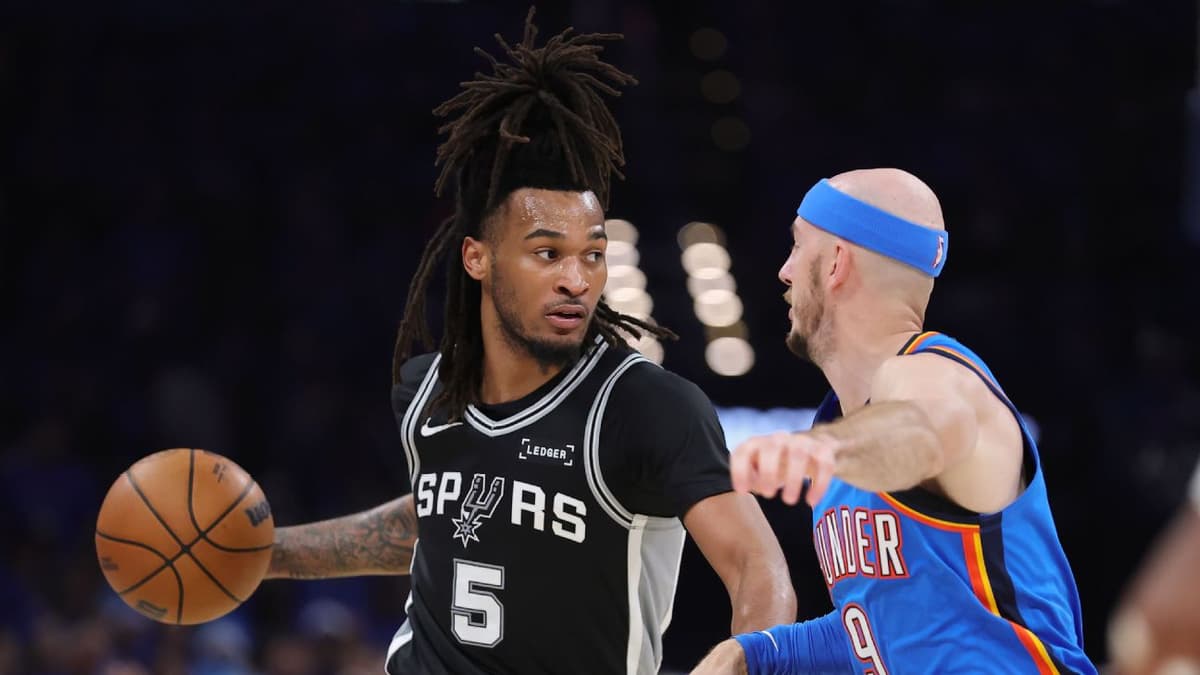
Joining them in this elite category are the San Antonio Spurs and the Brooklyn Nets. The Spurs hold significant leverage over the Atlanta Hawks through 2027, ensuring a steady stream of elite prospects to pair with Victor Wembanyama. Meanwhile, the Nets have executed a masterclass in asset reclamation, securing high-value selections from the Phoenix Suns and New York Knicks that have vaulted them into the league's top-tier of future flexibility.
The Middle Tiers: Strategic Flexibility and Potential
The middle tiers of the NBA draft asset rankings consist of teams that are one major move away from either the elite tier or a total rebuild. These franchises have maintained a respectable balance of their own picks while acquiring high-upside assets from aging contenders.
The New Orleans Pelicans: Capitalizing on the Bucks
The New Orleans Pelicans find themselves in an enviable position within the middle tiers. Their asset value is heavily tied to the Milwaukee Bucks. As the Bucks' core continues to age, the unprotected picks and swaps held by New Orleans look increasingly like potential lottery selections. This "shadow rebuild" allows the Pelicans to remain competitive in the Western Conference while holding some of the most sought-after trade chips in the league.
The Houston Rockets: The Phoenix Connection
The Houston Rockets have mirrored the Pelicans' strategy by controlling the future of the Phoenix Suns. By holding unprotected picks and swaps from a Suns team that is heavily invested in an aging roster, Houston has a high ceiling for asset growth. This positioning gives them the flexibility to either draft a superstar in 2026 or package those picks for an established All-NBA player to accelerate their timeline.
The Asset-Poor Tier: The High Cost of Contention
At the bottom of the rankings are the teams that have pushed all their chips into the center of the table. For these franchises, the margin for error is non-existent, as they lack the picks necessary to navigate injuries or roster decline.
The Phoenix Suns and the Second Apron Trap
The Phoenix Suns represent the most precarious position in the NBA draft asset rankings. Having traded away virtually every available first-round pick and swap to assemble their current star-studded roster, they are now subject to "frozen pick" penalties. Without the ability to trade future selections due to the Stepien Rule and second apron restrictions, the Suns must rely on veteran minimum contracts and internal development to sustain their window, as they have no meaningful capital to upgrade the roster before 2026.
The Milwaukee Bucks: A Narrowing Window
Similarly, the Milwaukee Bucks find themselves in the lower tiers. With many of their future selections already headed to New Orleans, the Bucks have limited ways to reinvent themselves around Giannis Antetokounmpo. This lack of assets makes every looming draft—especially the 2026 class—critical for the few second-round or minor picks they still retain.
Looking Ahead to the 2026 NBA Draft
The distribution of these assets will dictate the trade market for years to come. Teams in the top tiers, such as the Thunder and Nets, will be the primary "buyers," capable of outbidding any competitor for the next disgruntled superstar. Conversely, teams in the lower tiers may be forced to entertain difficult conversations regarding their veteran stars just to recoup some of the capital lost in previous trades.
As the 2026 NBA Draft approaches, the value of these picks will only fluctuate based on the performance of the original owners. For the teams at the top, the future is as bright as the present; for those at the bottom, the pressure to win now has never been higher.
Sources & Original Reporting