While the current NBA season remains the primary focus for fans and players alike, front offices across the league are already playing a high-stakes game of financial chess. The horizon for NBA free agency 2026 is beginning to take shape, and the implications of the current Collective Bargaining Agreement (CBA) are creating a vastly different landscape than in years past. With new television revenue expected to impact the cap and the looming threat of the second apron, teams are meticulously managing their books to ensure they have the flexibility needed to land franchise-altering talent.
The Financial Landscape of NBA Free Agency 2026
According to the latest projections and analysis from ESPN’s front-office insider Bobby Marks, the summer of 2026 will be a pivotal moment for the league’s hierarchy. The salary cap is expected to see a significant rise, but the introduction of the "second apron" has created a hard ceiling for many of the league's top contenders. For teams looking to rebuild or reload, NBA free agency 2026 represents a rare opportunity where several high-profile stars, potentially including LeBron James and Giannis Antetokounmpo, could see shifts in their career trajectories depending on player options and extension eligibility.
Front offices are currently categorized into distinct spending tiers. Some are flush with cash and ready to spend, while others are essentially locked out of the free-agent market, restricted to veteran minimum contracts and limited exceptions. Understanding these tiers is essential for predicting which teams will be the major players in the 2026 offseason.
Tier 1: The Cap Space Giants
Several teams have cleared their books specifically to maximize their spending power in 2026. These organizations are often in a rebuilding phase or have young cores still on rookie-scale contracts, allowing them to absorb max-level players without hitting the tax thresholds. Key teams in this category include:
- Brooklyn Nets: After pivoting away from their previous superstar era, the Nets are positioned to be one of the most aggressive spenders in the league.
- San Antonio Spurs: With Victor Wembanyama as their centerpiece, the Spurs have the flexibility to surround their young star with high-priced veteran talent.
- Washington Wizards: Currently in a deep rebuild, the Wizards are projected to have significant room under the cap to facilitate trades or sign top-tier free agents.
- Charlotte Hornets: By focusing on internal development, the Hornets have maintained a clean cap sheet for the 2026 cycle.
Tier 2: The Balancing Act and Mid-Level Flexibility
The majority of the league falls into this middle tier. These teams aren't necessarily "under the cap," but they are far enough below the luxury tax and the second apron to utilize their full Mid-Level Exception (MLE). This allows them to add quality starters or high-end rotation players without the restrictive penalties associated with the higher spending tiers.
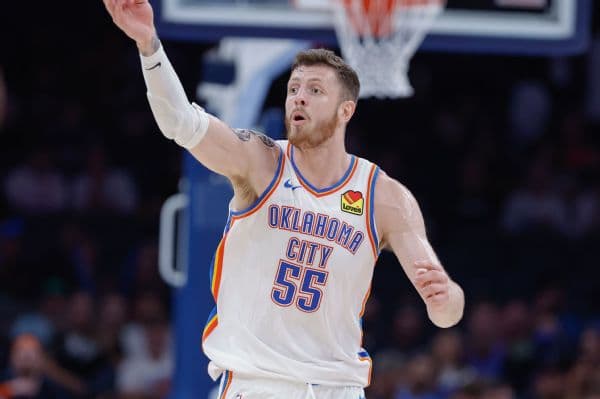
Teams like the Oklahoma City Thunder and Orlando Magic are in a unique position here. While they have rising stars who will eventually require massive extensions, their current financial management allows them to remain players in the NBA free agency 2026 market. The New York Knicks and Philadelphia 76ers also fall into this category, as they attempt to maintain championship-level rosters while navigating the rising costs of their core stars.
Tier 3: The Second Apron Trap
The most restricted teams are those currently battling the "second apron." Under the new CBA, teams that exceed this threshold lose several key roster-building tools, including the ability to use the taxpayer mid-level exception, the ability to aggregate salaries in trades, and the ability to send out cash in deals. Furthermore, their first-round picks can be frozen and moved to the end of the draft if they remain in the second apron for multiple years.
The teams facing the most significant challenges in this tier include:
- Phoenix Suns: With massive commitments to their "Big Three," the Suns have almost zero flexibility outside of veteran minimum signings.
- Boston Celtics: Following historic extensions for their core players, the defending champions must be extremely surgical with their roster moves.
- Milwaukee Bucks: As they look to keep the window open for Giannis Antetokounmpo, the Bucks are consistently hovering near the most restrictive tax lines.
- Minnesota Timberwolves: Recent trades and extensions have pushed the Timberwolves into a high-spending bracket that limits their future maneuvering.
Strategic Implications for the 2026 Offseason
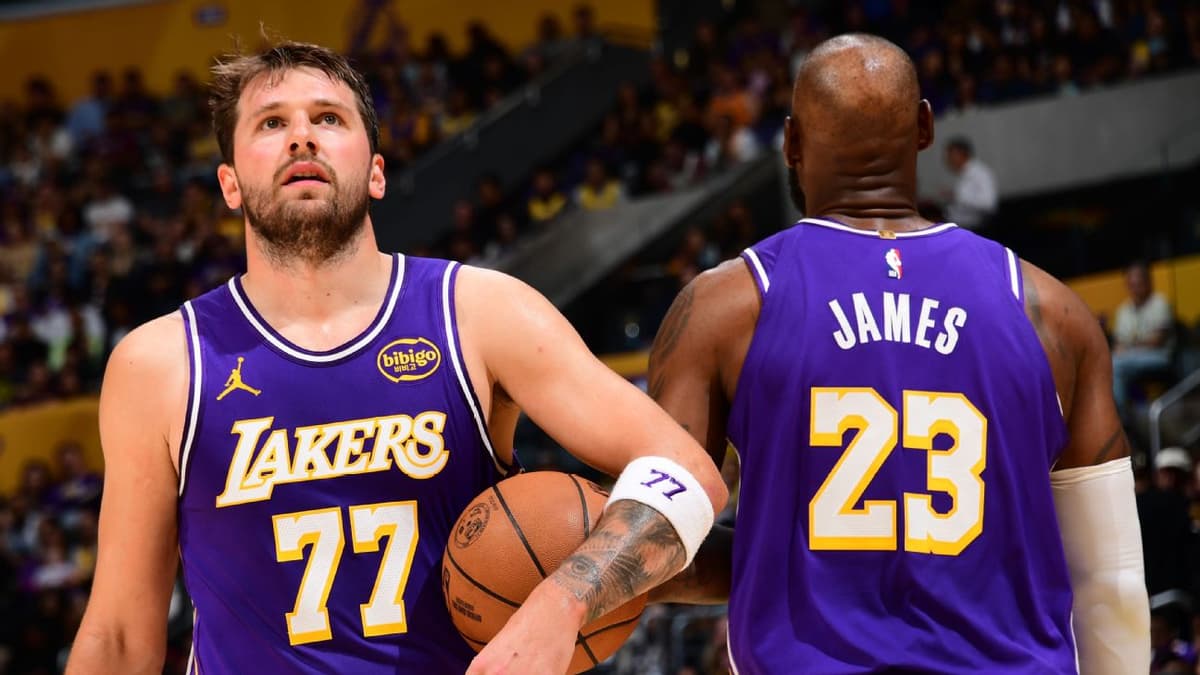
The 2026 offseason will not just be about who signs where; it will be about who can afford to keep their own talent. For teams like the Los Angeles Lakers, the future of LeBron James remains the central question. If James continues his career into 2026, the Lakers' financial structure will look vastly different than if they enter a post-LeBron era. Similarly, the Cleveland Cavaliers, Miami Heat, and LA Clippers are all facing aging rosters or impending extension deadlines that will force difficult decisions by the time the 2026 summer arrives.
As the league moves closer to this critical window, fans should expect to see more "salary dump" trades and a focus on acquiring draft assets that don't count against the cap in the same way as veteran contracts. The NBA free agency 2026 period will serve as the ultimate test of the new CBA's ability to enforce parity across the league's 30 franchises.
Sources & Original Reporting