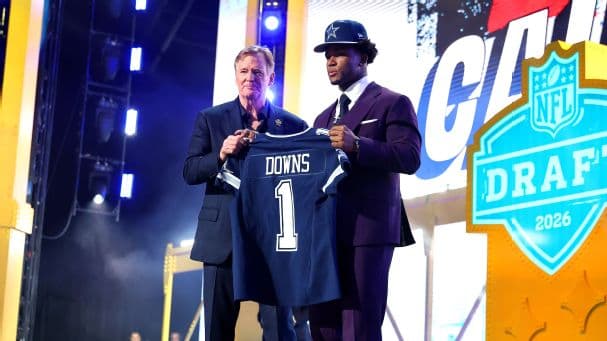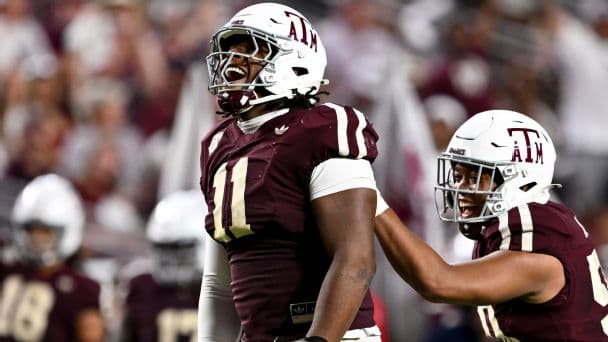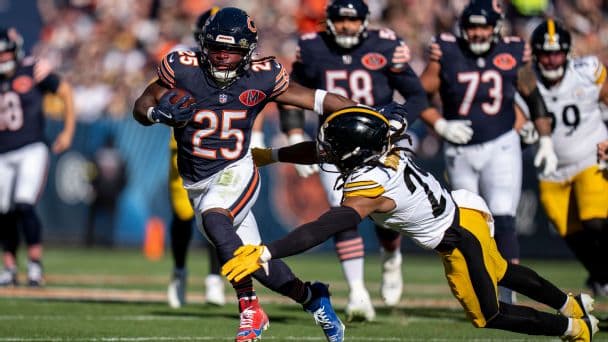
The transition from a college football star to a professional athlete is one of the most grueling journeys in sports. As the next wave of talent prepares to showcase their skills, the current class of NFL rookies is stepping up to provide a roadmap for success. For the 2026 NFL Draft prospects currently beginning their NFL Combine experience, this advice serves as a vital resource for navigating the high-pressure environment of professional scouting.
Navigating the Intensity of the NFL Combine
The NFL Combine is often described as the most important job interview of a player's life. While the physical drills like the 40-yard dash and the vertical jump grab the headlines, 2025 rookies emphasize that the mental grind is where the real battle is won. For 2026 NFL Draft prospects, the schedule is relentless, often starting before dawn and ending late at night with team interviews and medical evaluations.
Current rookies suggest that the key to surviving the week in Indianapolis is maintaining a routine. The sudden shift in environment, combined with the constant scrutiny of scouts and coaches from all 32 teams, can lead to mental fatigue. Rookies advise the upcoming class to focus on the "controllables"—sleep, hydration, and mental preparation—rather than worrying about the performance of their peers.
The Critical Importance of Team Interviews
While fans focus on the field, NFL front offices are often more concerned with what happens behind closed doors. The interview process is where teams determine if a player has the character and football IQ to fit into their culture. One of the most common pieces of advice from the 2025 rookie class is to remain authentic. Teams have deep files on every player; they aren't looking for a rehearsed script, but rather a genuine understanding of a player's personality and work ethic.
Rookies noted that 2026 NFL Draft prospects should be prepared for "the whiteboard." Coaches will often ask players to diagram plays or explain their responsibilities in specific defensive coverages or offensive schemes. Being able to communicate football concepts clearly is often the difference between a first-round grade and a slide down the draft board.
Physical Preparation and Health Maintenance
The path to the draft is a marathon, not a sprint. Between the end of the college season and the draft in April, prospects are pushed to their physical limits at specialized training facilities. Rookies who have just completed this cycle warn against the dangers of overtraining. Soft tissue injuries during the pre-draft process can be devastating, potentially sidelining a player during the Combine or their Pro Day.
Key advice for the 2026 class includes:
- Listen to your body: Don't push through pain that could lead to a long-term setback.
- Nutrition is fuel: Professional teams look at body composition and how players manage their weight.
- Recovery is mandatory: Utilize physical therapy and massage to stay flexible and explosive.
Transitioning to the Professional Locker Room
The advice extends beyond the draft itself and into the first few months of a professional career. Moving from being the "big man on campus" to a rookie in a locker room full of veterans is a humbling experience. Rookies from the 2025 class stressed the importance of observation. Learning how veterans like Patrick Mahomes or Lamar Jackson prepare for a game is more valuable than any drill performed at the Combine.
For 2026 NFL Draft prospects, the message is clear: the draft is just the beginning. The work required to stay in the league is significantly greater than the work required to get there. By taking this advice to heart, the next generation of NFL stars can enter the league with the maturity and focus needed to make an immediate impact on the field.
Managing the Noise and Social Media
In the modern era, draft stock can rise and fall based on a single tweet or a viral clip. Rookies advise the 2026 class to limit their exposure to outside noise. Draft analysts and social media pundits will have opinions, but the only opinions that matter are those of the general managers and coaches making the selections. Maintaining a tight inner circle and staying focused on the task at hand is essential for preserving mental health during the draft cycle.
Sources & Original Reporting