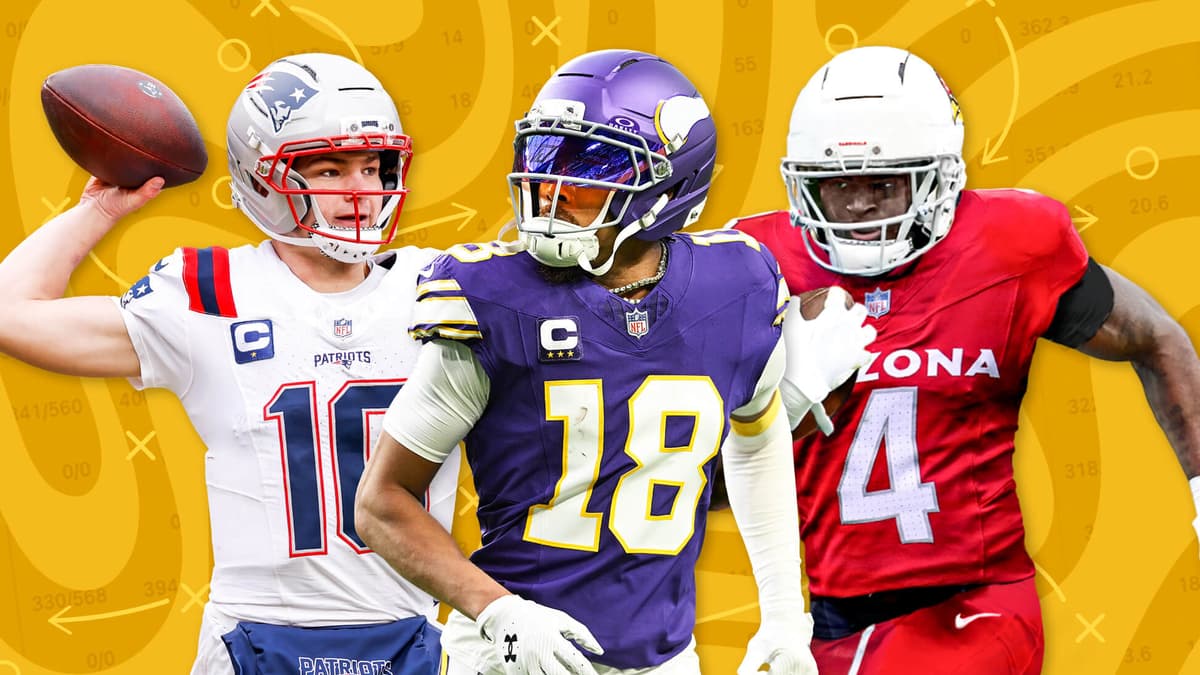
The dust has finally settled on the 2026 NFL Draft, and for fantasy football enthusiasts, the real season is just beginning. With rookie landing spots confirmed and veteran roles shifting following the draft-day madness, the landscape of the league has been fundamentally altered. To make sense of this new hierarchy, a panel of 10 ESPN fantasy analysts recently sat down to conduct their first 2026 fantasy football mock draft of the post-draft cycle. The results suggest a massive shift in philosophy compared to recent years.
For the past few seasons, the "Zero RB" or "Hero RB" strategies dominated the fantasy discourse, with managers prioritizing elite wide receivers in the early rounds. However, the latest mock draft data indicates a significant pendulum swing. The workhorse running back is no longer a dying breed; in fact, it is once again the cornerstone of a championship-caliber roster. As teams look to balance the high-flying passing attacks of the modern NFL with reliable ground games, fantasy managers are following suit by locking in their backfields early and often.
The Renaissance of the RB-RB Strategy
The most striking takeaway from the 2026 fantasy football mock draft was the aggressiveness with which analysts targeted running backs in the first two rounds. The "RB-RB" start, once considered an antiquated approach in the age of PPR (Points Per Reception) scoring, was the preferred method for the majority of the panel. This shift is driven by a perceived scarcity of true three-down backs who possess both the rushing volume and the passing-game involvement necessary to provide a weekly floor.
According to the mock draft results, the top of the board remains dominated by names like Christian McCaffrey, Bijan Robinson, and Breece Hall. However, the real surprise was how quickly the second tier of running backs flew off the board. Analysts were willing to reach for players with guaranteed volume rather than waiting for value at the wide receiver position. The logic is simple: while the wide receiver pool is deeper than ever, the list of running backs who won't be part of a frustrating committee is shrinking. By securing two high-end starters in the first 24 picks, managers are insulating themselves against the volatility of the position.
Rookie Impact: Integrating the Class of 2026
Every year, the post-NFL draft period is defined by the hype surrounding the newest additions to the league. In this 2026 fantasy football mock draft, the rookie class played a pivotal role in shaping the middle rounds. Unlike some previous years where rookies were drafted based on pure potential, the 2026 class landed in several situations where immediate opportunity is available.
The analysts focused heavily on the landing spots for the top-tier rookie running backs and wide receivers. Historically, rookies drafted into high-powered offenses see their ADPs (Average Draft Positions) skyrocket in the weeks following the draft. The ESPN mock reflected this trend, with several first-year players being selected as high-end RB2s or WR3s. The consensus among the experts is that the 2026 class offers a unique blend of elite athleticism and pro-readiness, making them more than just bench stashes. Instead, these rookies are being viewed as legitimate weekly starters who could provide league-winning upside during the fantasy playoffs.
Wide Receiver Value and the Depth of the 2026 Pool
While the early rounds were defined by the run on backs, the 2026 fantasy football mock draft highlighted the immense depth currently available at the wide receiver position. Because so many analysts opted for the RB-RB start, several perennial Pro Bowl receivers slid into the third and fourth rounds, creating incredible value for those who waited. This "anti-fragile" approach to the receiver position allows managers to build a robust backfield while still roster-filling with high-upside pass catchers.
The mock draft demonstrated that the gap between a WR1 and a WR2 has narrowed significantly. With more NFL teams utilizing 11-personnel (three wide receivers) as their base package, there are simply more opportunities for fantasy points to be distributed. Analysts noted that the key to success in 2026 will be identifying the "target monsters" in mid-tier offenses—players who may not be household names but serve as the primary engine of their respective passing games.
Strategic Takeaways for Your Upcoming Drafts
As you begin your own preparations for the upcoming season, the insights from this 2026 fantasy football mock draft provide a valuable roadmap. Here are the core strategies to keep in mind:
- Prioritize Volume: If you have a top-five pick, don't overthink it. Secure an elite running back who doesn't leave the field.
- Embrace the Rookie Hype: Don't be afraid to reach for a rookie if they have a clear path to touches. The 2026 class is talented enough to overcome the typical first-year learning curve.
- Monitor ADP Shifts: As more mock drafts are completed throughout the summer, pay close attention to how the RB-RB trend affects the value of elite quarterbacks and tight ends.
- Flex Flexibility: With the depth at wide receiver, look to use your Flex spot on a high-ceiling wideout rather than a replacement-level running back.
The 2026 season promises to be one of the most unpredictable in recent memory. By staying ahead of the trends and understanding the shifting philosophies of the experts, you can position yourself for a dominant run to the championship. Stay tuned to Sport Syntax for more deep dives into the 2026 fantasy landscape as training camps approach.
Sources & Original Reporting