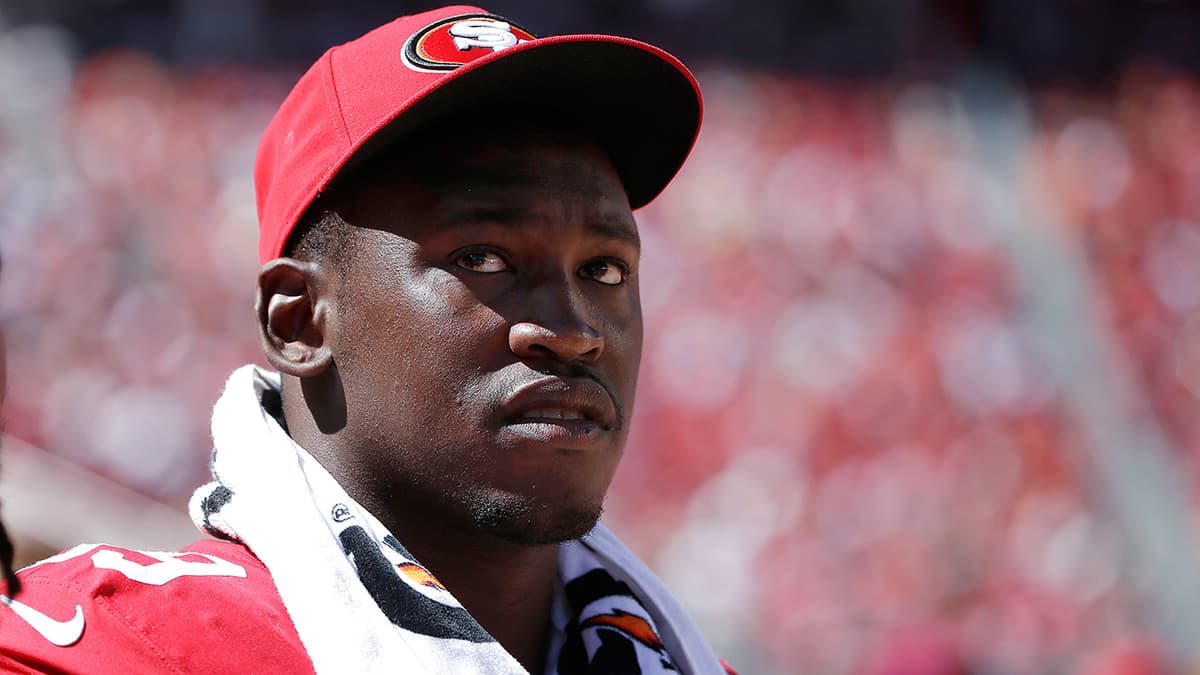
The professional football world is mourning the loss of former San Francisco 49ers standout Aldon Smith, who passed away on June 13, 2026. In the wake of this tragedy, his family has announced a significant step toward finding clarity regarding his health and legacy. They have decided to have his brain examined by medical experts in Boston to determine if Chronic Traumatic Encephalopathy (CTE) played a role in his life and untimely passing. This Aldon Smith brain CTE study represents a growing movement among NFL families to better understand the long-term neurological impacts of professional football.
The Mission for Medical Clarity in Boston
Following the news of his death, Smith's family opted to donate his brain to specialized researchers who lead the field in sports-related brain injuries. According to reports from ESPN, the brain will be analyzed by experts in Boston, a city that has become the global epicenter for neurological research focused on repetitive head impacts. The family's decision is rooted in a desire to understand the physiological factors that may have influenced Smith's behavior and health during his post-playing years.
CTE is a progressive degenerative disease found in individuals with a history of repetitive brain trauma, including sub-concussive hits common in the trenches of the NFL. Currently, the condition can only be definitively diagnosed post-mortem. By participating in this research, Smith’s family joins a list of high-profile NFL families seeking to advance medical science while finding personal peace through scientific data.
A Dominant Force on the Gridiron
To appreciate the significance of this study, one must look back at the sheer dominance Aldon Smith displayed during his peak years in the NFL. Drafted seventh overall by the San Francisco 49ers in 2011 out of the University of Missouri, Smith quickly established himself as one of the most terrifying pass rushers the league had ever seen.
Breaking Records as a Rookie
Smith’s entry into the professional ranks was nothing short of historic. Despite not starting a single game in his debut season, he recorded 14 sacks, shattering the 49ers' rookie record. His explosive first step and immense physical strength made him an immediate cornerstone of a 49ers defense that would eventually lead the team to three consecutive NFC Championship games and an appearance in Super Bowl XLVII.
The Historic 2012 All-Pro Campaign
In his second season, Smith reached heights rarely seen in NFL history. He tallied a staggering 19.5 sacks in 2012, earning First-team All-Pro honors and a Pro Bowl selection. Perhaps his most impressive feat was reaching the 30-sack milestone in just 27 career games—the fastest any player had ever reached that mark at the time. During this era, Smith was arguably the most impactful defensive player in football, a physical marvel who dictated how opposing offenses had to game-plan.
Navigating Career Challenges and the Road to Recovery
While his on-field production was legendary, Smith’s career was frequently interrupted by well-documented off-field struggles. Legal issues and battles with substance abuse led to multiple suspensions and significant time away from the gridiron. After his tenure with the 49ers ended, he spent time with the Oakland Raiders before a lengthy hiatus from the sport.
In 2020, Smith made a remarkable comeback with the Dallas Cowboys, proving he still possessed elite athleticism after four years out of the league. He appeared in all 16 games that season, recording five sacks and providing a veteran presence. However, the complexities of his journey—marked by incredible highs and devastating lows—have often sparked conversations regarding the mental health and support systems available to athletes. The family’s decision to pursue the Aldon Smith brain CTE study is a direct effort to see if underlying biological trauma contributed to these hurdles.
The Broader Impact of CTE Research in the NFL
The move to have Aldon Smith's brain checked for CTE is part of a critical, ongoing dialogue within professional sports. Since the discovery of the disease in former players, the NFL has implemented sweeping rule changes to reduce head-to-head contact and improve helmet technology. Despite these advancements, the long-term effects for players who competed during the high-impact eras of the 2010s remain a primary concern for the medical community.
Researchers in Boston have documented hundreds of cases of CTE in former football players across all levels. Each study provides vital data that helps clinicians understand symptoms such as memory loss, impaired judgment, impulse control issues, and depression. For the Smith family, the hope is that Aldon’s contribution to this research will help protect future generations of athletes from the same invisible struggles.
Honoring a Complex and Powerful Legacy
While the results of the medical examination may take several months to finalize, the announcement marks a significant moment of advocacy for the Smith family. For fans of the 49ers and the league at large, Aldon Smith will be remembered for his unparalleled athleticism and the electricity he brought to the field every Sunday. By seeking these medical answers, his family ensures that his legacy includes a meaningful contribution to player safety and neurological health.
As the sports world continues to process the loss of one of its most talented defenders, the focus remains on supporting his loved ones and respecting their privacy. The Aldon Smith brain CTE study serves as a somber but necessary reminder of the physical and mental toll of professional football and the vital importance of ongoing medical research.
Sources & Original Reporting