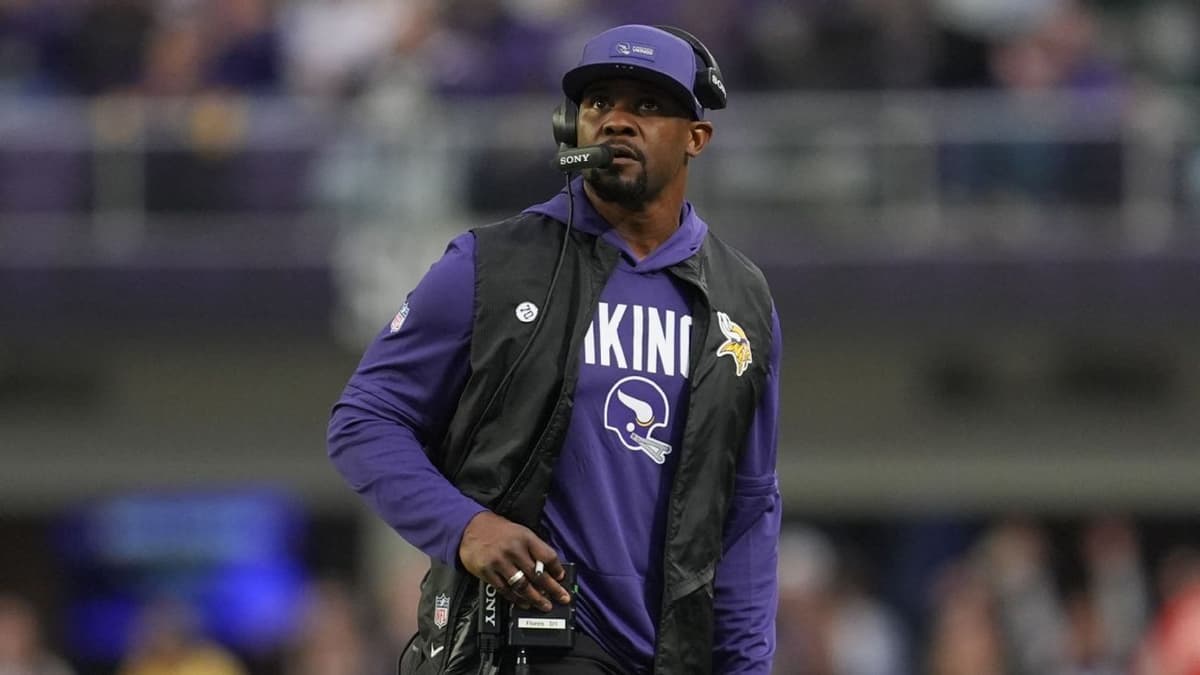
The NFL’s long-standing effort to keep its internal hiring practices behind closed doors just hit a significant legal roadblock. In a landmark decision that could reshape the league's legal landscape, a U.S. District Court has ruled that the Brian Flores lawsuit against the NFL and several of its member teams can proceed in open court. This ruling marks a pivotal moment for the Minnesota Vikings defensive coordinator, who first filed his class-action complaint in 2022, alleging systemic racial discrimination in the league’s hiring processes for head coaches and front-office executives.
The Court Ruling: A Major Shift for the Brian Flores Lawsuit
For years, the NFL has successfully utilized mandatory arbitration clauses to settle disputes with coaches and employees outside of the public eye. However, the recent ruling from the U.S. District Court has denied the league's motion to compel arbitration for several key components of the Brian Flores lawsuit. By allowing the case to move forward in a public courtroom, the court has opened the door for a process known as discovery, which could force the league to hand over internal communications, emails, and documents related to its hiring cycles.
The decision is a major victory for Flores and the other plaintiffs involved in the case, including Steve Wilks and Ray Horton. While the NFL argued that the terms of employment contracts required these grievances to be handled by the commissioner or a designated arbitrator, the court found that certain claims—particularly those involving alleged "sham" interviews—merit a public trial. This ensures that the details of the case will be a matter of public record rather than being settled in a private forum controlled by the league.
Why Open Court Matters Over Private Arbitration
The distinction between private arbitration and open court is more than just a procedural detail; it is a fundamental shift in how the Brian Flores lawsuit will be litigated. In private arbitration, the proceedings are confidential, and the arbitrator is often someone with ties to the industry—in the NFL’s case, frequently the Commissioner himself. This environment typically favors the employer and limits the scope of evidence that can be introduced.
By moving to open court, Flores and his legal team gain the following advantages:
- Public Accountability: Every motion, testimony, and piece of evidence becomes accessible to the media and the general public.
- Jury Trial: The case can eventually be heard by a jury of peers rather than a single league-appointed official.
- Extensive Discovery: The plaintiffs can demand internal documents and depositions from high-ranking NFL owners and executives.
Allegations Against the Broncos, Giants, and Texans
The core of the Brian Flores lawsuit centers on specific instances where Flores alleges he was subjected to discriminatory practices. One of the most high-profile claims involves the New York Giants. Flores alleges that he learned the Giants had already chosen Brian Daboll for their head coaching vacancy via a mistaken text message from Bill Belichick—days before Flores was even scheduled to interview for the position. He characterized the subsequent meeting as a "sham" interview intended solely to satisfy the Rooney Rule.
Similarly, the lawsuit details an interview with the Denver Broncos in 2019. Flores claims that then-GM John Elway and other executives arrived late and appeared hungover, suggesting they had no serious intention of considering him for the role. The lawsuit also names the Houston Texans, alleging that Flores was retaliated against for filing the suit when the team removed him from consideration for their head coaching vacancy in 2022.
Other teams mentioned in the broader scope of the litigation or related filings include the Arizona Cardinals and Tennessee Titans, as the case seeks to address a pattern of behavior across the league rather than isolated incidents.
Impact on the NFL and the Rooney Rule
The progression of the Brian Flores lawsuit has already forced the NFL to make adjustments to the Rooney Rule, the policy intended to increase the number of minorities in high-level coaching and front-office positions. Since the suit was filed, the league has expanded the requirements for interviewing external minority candidates and has faced increased scrutiny regarding the lack of Black head coaches in a league where the majority of players are Black.
However, Flores has remained steadfast in his assertion that these changes are largely cosmetic. By taking the NFL to court, he aims to prove that the league's culture and hiring practices are fundamentally flawed. The court's ruling ensures that the NFL's defense of its diversity initiatives will be tested under the rigors of federal law.
What Happens Next for Brian Flores and the NFL
Despite the ongoing legal battle, Brian Flores has remained a prominent figure on the sidelines. Currently serving as the defensive coordinator for the Minnesota Vikings, Flores has earned praise for his coaching acumen, even as he challenges the very organization that employs him. This dual reality highlights the stakes of the case; Flores is effectively putting his career on the line to highlight what he describes as a systemic issue.
The next steps in the case will involve the discovery phase, where both sides will gather evidence. The NFL is expected to continue filing motions to narrow the scope of the trial, but for now, the path to a public courtroom is clear. As the legal process unfolds, the sports world will be watching closely to see if this case leads to the fundamental changes in NFL governance that Flores has sought since he first stepped forward.
Sources & Original Reporting