The offseason is rarely a quiet time in Title Town, and Green Bay Packers General Manager Brian Gutekunst ensured the conversation remained lively during his recent media availability. Addressing a wide range of topics that touched on coaching changes, personnel strategy, and the evolution of NFL rules, Gutekunst provided a transparent look into the franchise's current trajectory. From the unexpected departure of a key coordinator to the integration of high-profile acquisitions, the roadmap for the upcoming season is beginning to take a definitive shape.
The Surprising Departure of Rich Bisaccia
Perhaps the most startling news to emerge from the Green Bay Packers facility recently was the exit of special teams coordinator Rich Bisaccia. Known for his intense leadership and ability to galvanize the third phase of the game, Bisaccia’s departure was described by Gutekunst as a move that caught many within the organization off guard. Bisaccia had been credited with stabilizing a unit that had historically struggled, bringing a veteran presence to the coaching staff.
Gutekunst noted that while the exit was surprising, the team remains committed to the foundational improvements made during Bisaccia's tenure. The search for a replacement will prioritize maintaining the culture of accountability that was established over the last two seasons. The GM emphasized that the special teams unit is critical for a young roster, and finding the right voice to lead that group is a top priority as the team heads toward training camp.
Josh Jacobs and the Evolution of the Packers Backfield
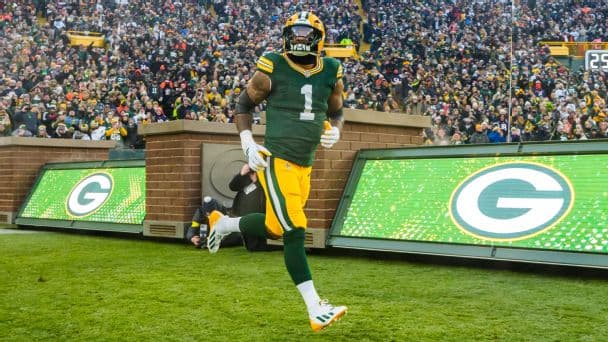
The conversation quickly shifted to the offensive side of the ball, specifically the arrival of star running back Josh Jacobs. After moving on from franchise staple Aaron Jones, the Green Bay Packers made a significant splash in free agency by securing Jacobs. Gutekunst spoke at length about what the former NFL rushing leader brings to the locker room and the huddle.
According to Gutekunst, the decision to bring in Jacobs was rooted in his versatility and physical running style. The GM highlighted that Jacobs is not just a primary ball carrier but a complete back who can contribute in the passing game and pass protection. This multi-dimensional skill set is expected to alleviate pressure on quarterback Jordan Love, allowing the offense to remain unpredictable. Gutekunst expressed confidence that Jacobs will seamlessly transition into the system, providing the veteran leadership necessary for one of the league's youngest offensive units.
Addressing the Micah Parsons Conversation and Defensive Identity
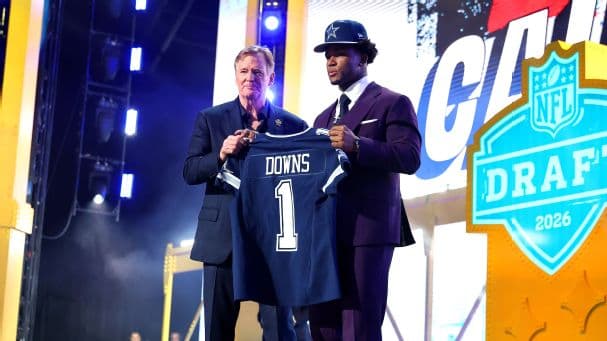
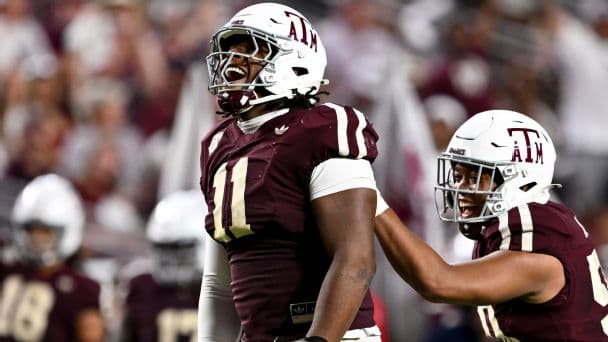
One of the more intriguing topics raised during the session involved Micah Parsons. While Parsons remains a cornerstone of the Dallas Cowboys, his name often surfaces in broader discussions regarding the archetype of defensive game-changers that NFL GMs covet. Gutekunst addressed the challenges of defending such high-caliber athletes and how the Green Bay Packers are looking to cultivate their own disruptive forces on the edge.
The GM reiterated his philosophy of building through the draft while remaining aggressive when elite talent becomes available. While he didn't speculate on specific trade scenarios, Gutekunst acknowledged that the modern NFL requires defensive players who can win one-on-one matchups consistently. The focus for Green Bay remains on bolstering a defensive front that can pressure the quarterback without relying solely on blitz packages, a strategy that is essential when facing elite offenses in the postseason.
The "Tush Push" and NFL Rule Changes
Gutekunst also weighed in on the league's ongoing debate regarding the "tush push"—the controversial short-yardage play popularized by the Philadelphia Eagles. As the NFL Competition Committee continues to evaluate the safety and competitive balance of the play, Gutekunst offered a balanced perspective. He noted that while the play is difficult to defend, it falls within the current rules of the game, and the Green Bay Packers must be prepared to both utilize and stop such innovative strategies.
The GM's comments reflect a broader trend of NFL executives monitoring how rule changes impact roster construction. Whether it is the kickoff rules or short-yardage mechanics, Gutekunst signaled that the Packers are constantly simulating these scenarios to ensure the roster is equipped to handle the shifting tactical landscape of the league.
Looking Ahead: The Gutekunst Blueprint
As the Green Bay Packers move deeper into the offseason, the vision shared by Brian Gutekunst suggests a team that is neither complacent nor reckless. By addressing the coaching void left by Bisaccia and integrating a powerhouse like Josh Jacobs, the front office is signaling a "win-now" mentality while maintaining the long-term health of the salary cap.
The Packers are clearly in a transition phase where the youth movement of the past two years is expected to mature into a championship-caliber core. With Gutekunst at the helm, the focus remains on finding the right balance of veteran experience and explosive young talent. Fans can expect a busy few months as the team finalizes its coaching staff and prepares for a draft where they hold significant capital to continue their roster refinement.
- Rich Bisaccia's exit opens a key leadership role on the coaching staff.
- Josh Jacobs is expected to be a focal point of the new-look offense.
- Defensive philosophy remains centered on finding disruptive, Micah Parsons-style impact players.
- The front office is staying ahead of league-wide trends regarding rule changes and short-yardage efficiency.
Sources & Original Reporting