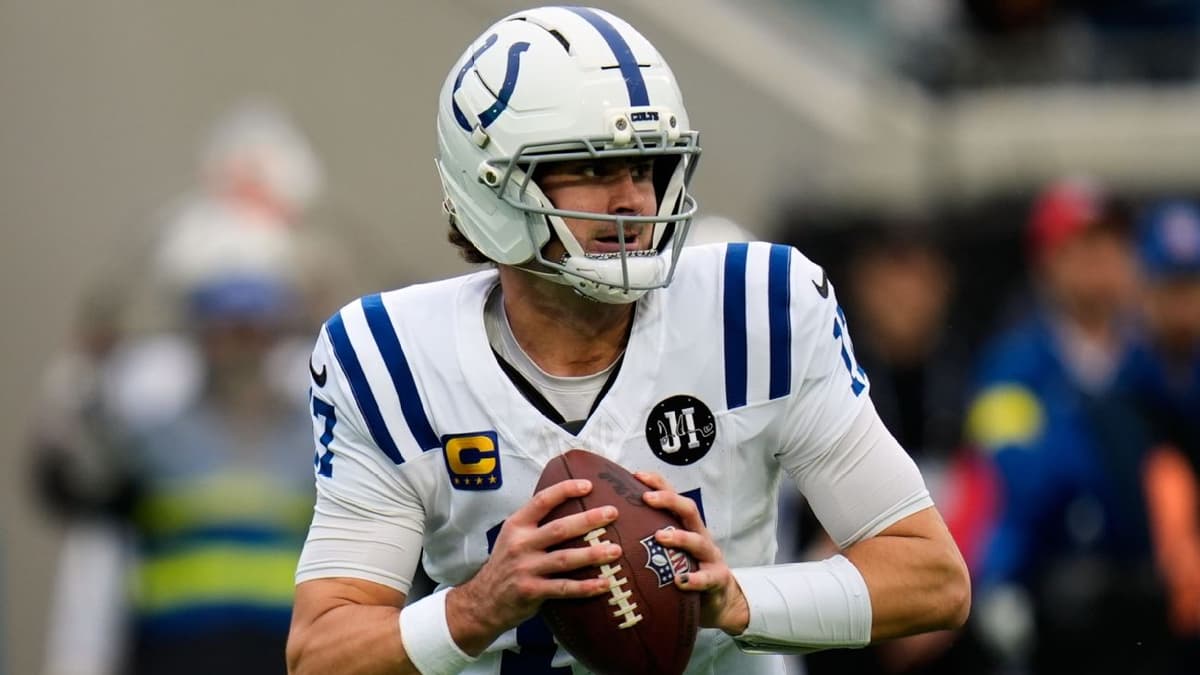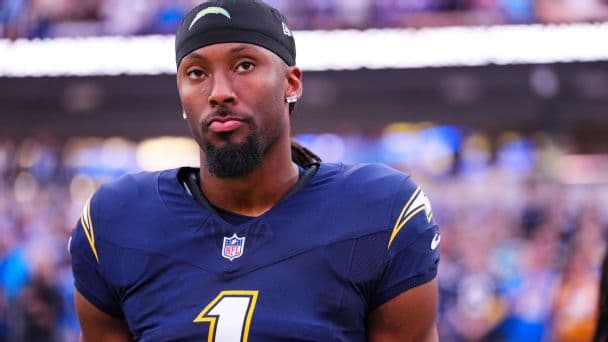
The dust has finally settled on the primary wave of NFL free agency, and the Los Angeles Chargers find themselves at a pivotal crossroads. As the organization pivots toward the upcoming draft and the summer program, the Los Angeles Chargers 2026 offseason has already provided several definitive answers about the team's direction—while simultaneously raising new questions about the roster's ceiling. With a focus on long-term sustainability and supporting their core stars, the front office has been forced to make difficult decisions regarding veteran contracts and youth development.
The Impact of the Los Angeles Chargers 2026 Offseason Strategy
Entering this spring, the front office faced a complex salary cap situation that necessitated a disciplined approach to recruitment. Unlike previous years where the team might have chased the biggest names on the market, this particular cycle has been defined by a commitment to value and fit. The takeaways from the height of free agency suggest a front office that is no longer willing to compromise future flexibility for short-term gains, focusing instead on building a balanced roster that can compete in the grueling AFC West.
One of the primary takeaways from this period is the team's renewed emphasis on the trenches. By prioritizing the offensive and defensive lines, the Chargers are attempting to establish a physical identity that has occasionally been lacking in recent seasons. However, this focus has led to a leaner rotation in the skill positions, putting immense pressure on the remaining veterans and incoming rookies to perform at an elite level from day one.
Maximizing the Prime of Justin Herbert
At the center of every decision made this spring is the franchise's most valuable asset: Justin Herbert. As Herbert enters another year of his prime, the organization is acutely aware that his window for championship contention is wide open. The moves made during free agency were designed to provide Herbert with the stability he needs to operate at his highest level. This includes not only physical protection in the pocket but also a schematic environment that allows him to utilize his full range of passing abilities.
The biggest question facing the offense is whether the current supporting cast is sufficient to keep pace with the high-powered offenses of the AFC. While Herbert has proven he can elevate the players around him, the 2026 season will test his ability to lead a unit that has seen significant turnover. The connection between the quarterback and his play-callers will be under the microscope as they look to optimize a passing game that must remain explosive while becoming more efficient in the red zone.
The Evolution of Quentin Johnston and the Receiving Corps
Perhaps no individual player faces more scrutiny during this cycle than Quentin Johnston. The young wideout has shown flashes of the brilliance that made him a high-profile prospect, but consistency remains the final hurdle in his development. Following the departure of several veteran targets during the free agency period, Johnston is now positioned as a primary focal point of the Chargers' aerial attack.
Route Running and Precision
To succeed as a WR1, Johnston must demonstrate improved precision to create separation against the league's top-tier cornerbacks. His ability to snap off routes and maintain timing with Herbert will be the difference between a stalled drive and a touchdown.
Contested Catch Ability
Utilizing his massive frame to win 50/50 balls will be essential for the Chargers' third-down success. The team needs him to become a reliable target in tight windows, especially in the red zone where space is at a premium.
On-Field Chemistry with Herbert
Building a shorthand with Justin Herbert during the offseason program is the top priority for the receiving unit. This chemistry is often the intangible factor that allows an offense to thrive during high-pressure late-game situations.
Defensive Takeaways and Roster Depth
On the defensive side of the ball, the Chargers have utilized free agency to shore up a unit that struggled with explosive plays in the previous season. By adding versatile players who can fill multiple roles, the coaching staff has gained the flexibility to run more complex sub-packages. However, the question of a consistent pass rush remains a talking point among analysts.
Secondary Depth and Versatility
The addition of veteran depth in the secondary is intended to prevent the big-play lapses that haunted the team last year. By bringing in DBs with high football IQs, the Chargers are betting on a more disciplined approach to coverage that minimizes missed assignments.
Rotational Pass Rush Needs
While the starters are among the best in the league, the team has yet to fully address the need for a rotational edge rusher who can maintain pressure when the stars are off the field. Finding a contributor who can provide 15-20 high-quality snaps per game remains a priority as they look toward the draft.
Conclusion: Looking Ahead to the Draft
As the height of free agency passes, the Los Angeles Chargers have successfully navigated several of their biggest questions, but the roster remains a work in progress. The 2026 offseason has set the stage for a critical draft where the team must find immediate contributors to fill the remaining gaps. With Justin Herbert leading the way and Quentin Johnston poised for a breakout, the pieces are in place for a successful season, provided the team can stay healthy and the young talent continues to mature. For Sport Syntax readers, the Chargers remain one of the most intriguing teams to watch as the NFL calendar moves toward the summer.
Sources & Original Reporting