The future of the Chicago Bears remains in a state of legislative limbo as the Illinois General Assembly officially adjourned its spring session without taking action on a proposed stadium funding plan. Despite months of lobbying and the unveiling of a multi-billion dollar vision for a new lakefront home, the Chicago Bears stadium bill failed to gain the necessary momentum to reach a vote before lawmakers headed home for the summer. This delay leaves the historic franchise at a crossroads, with the team stating they plan to announce their next steps in the near future.
Spring Legislative Session Ends Without Stadium Deal
As the clock ran out on the spring legislative session in Springfield, it became clear that the Chicago Bears stadium bill would not be part of the final budget or legislative package. Lawmakers adjourned without passing the financial framework required to support the team’s ambitious $4.7 billion proposal. The decision to stall the bill reflects a cautious approach by state leadership, who have expressed reservations about the scale of public investment required for the project.
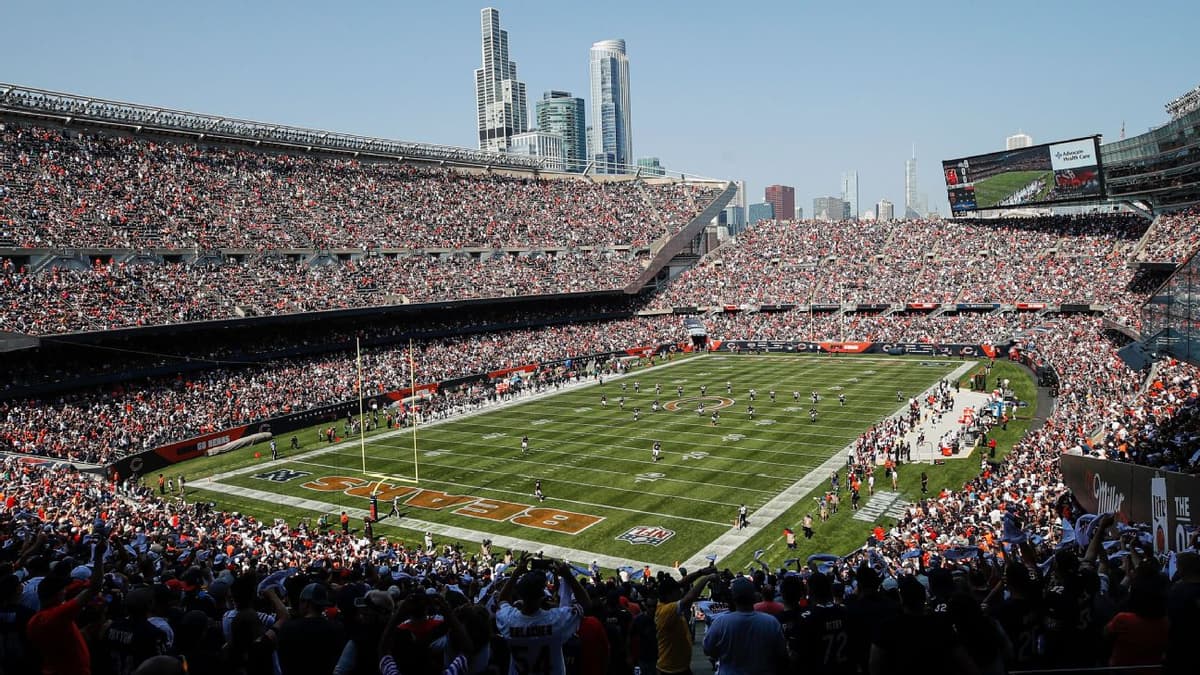
The Bears had been seeking a partnership with the state to facilitate the construction of a fixed-roof stadium on the Chicago lakefront, just south of their current home at Soldier Field. However, the proposal faced significant headwinds from both fiscal conservatives and advocacy groups. Without a legislative vehicle to provide the necessary tax breaks or bonding authority, the project is effectively on ice until the fall veto session at the earliest.
The $4.7 Billion Lakefront Vision and Public Funding Hurdles
The core of the current Chicago Bears stadium bill debate centers on a massive $4.7 billion development plan. The Bears have pledged to contribute over $2 billion in private funding, which includes a $300 million loan from the NFL. However, the plan also calls for approximately $2.3 billion in public financing to cover infrastructure, land acquisition, and construction costs. This public portion would be funded through the Illinois Sports Facilities Authority (ISFA), utilizing existing hotel tax revenue streams.
Illinois Governor J.B. Pritzker has remained a vocal skeptic of the current proposal, previously labeling it a "non-starter" for taxpayers. The Governor and several key legislative leaders have maintained that any deal must provide a clear benefit to the state and not place an undue burden on the public treasury. The lack of a revised proposal that addressed these concerns is widely cited as the primary reason for the legislative stalemate during the spring session.
The Arlington Heights Factor and Relocation Risks
The delay in Springfield adds another layer of complexity to the Bears' long-term planning. While the team has pivoted its primary focus back to the Chicago lakefront, they still own the 326-acre property in Arlington Heights, the site of the former Arlington International Racecourse. The team purchased the land for $197.2 million in 2023, initially intending to build a massive suburban campus there before tax valuation disputes and a change in team leadership led them back to the city.
By failing to pass a Chicago Bears stadium bill this spring, the state has left the door open for the team to reconsider its suburban options or explore other alternatives. The Bears have consistently stated that they need a modern, year-round facility to remain competitive in the NFL and to host major international events like the Super Bowl or the Final Four. The current uncertainty regarding the lakefront site may force the organization to re-evaluate the feasibility of the Arlington Heights site, where they have more control over the land but face different infrastructure and tax challenges.
What Comes Next for the Chicago Bears?
In the wake of the legislative adjournment, the Chicago Bears organization has indicated that they will not wait indefinitely for state action. Team officials have noted that they plan to announce a decision regarding their stadium direction soon. Whether this means a renewed push for a fall legislative deal, a pivot back to the suburbs, or a completely new strategy remains to be seen.
The fall veto session, which typically takes place in November, represents the next opportunity for the General Assembly to take up the matter. However, passing a major stadium bill during a "lame-duck" or veto session is historically difficult and requires a high degree of political consensus. For now, the Bears remain anchored at Soldier Field, the oldest stadium in the NFL, while the clock continues to tick on their search for a permanent, modern home.
Key Takeaways from the Legislative Adjournment:
- No Legislative Action: The Illinois spring session ended without a vote on stadium funding.
- Public Funding Concerns: State leaders remain skeptical of the $2.3 billion public financing request.
- Decision Pending: The Bears organization expects to announce its next move shortly.
- Fall Opportunity: The next window for legislative progress is the fall veto session.
Sources & Original Reporting