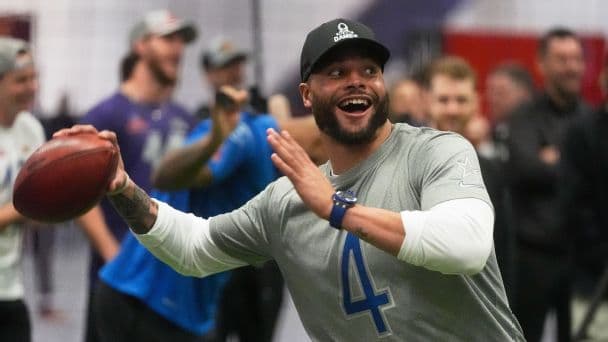
In the high-stakes world of the NFL, few roles carry as much weight or scrutiny as being the starting quarterback for the Dallas Cowboys. For Dak Prescott, this journey has now spanned an entire decade of professional football. Having completed 10 full seasons since his debut in 2016, Prescott has transitioned from a fourth-round compensatory pick into the undisputed veteran heartbeat of the franchise. As he prepares to lead the team into his 11th season in 2026, the conversation surrounding Dak Prescott leadership has evolved from how he handles the pressure to how he empowers those around him to achieve championship glory.
A Decade of Evolution: From Rookie Sensation to Veteran General
When Prescott first stepped onto the field in 2016, his leadership was defined by his poise and his ability to command a huddle filled with established veterans like Jason Witten and Dez Bryant. Thrust into the starting role following an injury to Tony Romo, he earned respect through his performance and steady demeanor. However, after 10 seasons in the league, that leadership style has undergone a profound transformation. He is no longer just a participant in the team culture; he is the primary architect of it.
The experience gained over the last ten years has provided Prescott with a unique perspective. He has weathered the highs of Pro Bowl selections and division titles, as well as the lows of season-ending injuries and playoff heartbreak. These experiences have refined his approach, allowing him to connect with a roster that is now significantly younger than when he first arrived. His focus has shifted from individual statistical output to the collective growth of the 53-man roster, understanding that his legacy in Dallas will ultimately be defined by a Super Bowl ring.
Empowering the Roster: The Core of Dak Prescott Leadership
A central theme of Prescott’s growth as a leader is his commitment to the development of his teammates. He has moved beyond leading by example and has embraced a more intentional, hands-on role in mentoring the next generation of Cowboys stars. By focusing on the growth of the players around him, he aims to build a team that is resilient enough to handle the rigors of a deep postseason run. This evolution of Dak Prescott leadership is visible in the way he manages the diverse personalities within the locker room, ensuring everyone is aligned with the organization's ultimate objective.
Key Pillars of Prescott’s Veteran Approach
- Intentional Mentorship: Prescott frequently hosts off-season sessions and extra film reviews with younger receivers and offensive linemen, ensuring they are mentally synchronized with the game plan.
- Unified Communication: He has prioritized building bridges between the offensive and defensive units, fostering a "one team" mentality that breaks down traditional locker room silos.
- Shared Accountability: While he takes the blame for losses, he empowers other players to hold the standard high, creating an environment where every player feels responsible for the team's success.
The Mental Game and Huddle Command
Beyond the physical mechanics of the quarterback position, Prescott has mastered the psychological aspects of the game. After 10 seasons, he possesses an encyclopedic knowledge of NFL defenses, but his real strength lies in his emotional intelligence. In the huddle, his demeanor remains a constant, providing a sense of security for his teammates during high-pressure moments. Whether the Cowboys are facing a two-minute drill or a hostile road environment, Prescott’s steady hand keeps the offense focused on the task at hand.
His relationship with the coaching staff has also matured. Now entering his 11th year, he acts as a vital bridge between the players and Head Coach Mike McCarthy. This synergy allows for real-time adjustments and ensures that the play-calling reflects the strengths and comfort levels of the current roster. This level of trust is only earned through years of consistent performance and a deep understanding of the franchise's expectations.
The Final Frontier: Chasing the Lombardi Trophy
Despite the individual accolades he has accumulated over his first decade in the league, Prescott’s focus remains singular. He has often stated that individual stats mean little without the ultimate team success. Every aspect of his leadership growth—from the way he communicates in the locker room to the way he prepares in the film room—is viewed through the lens of winning a Super Bowl. He understands that for the Cowboys to break their long-standing championship drought, the team needs more than just talent; they need a cohesive culture of growth.
By investing in his teammates' development, Prescott is building a foundation of trust that is essential for the postseason. His teammates often cite his unwavering confidence as a catalyst for their own improved play. As he embarks on his 11th season, the veteran quarterback is not just playing for himself; he is playing for the legacy of the Dallas Cowboys and the growth of every player wearing the star on their helmet.
The Legacy of a Franchise Icon
In conclusion, the evolution of Dak Prescott as a leader is a testament to his character and commitment to the Dallas Cowboys. After 10 seasons of growth, he has become a mentor, a strategist, and a vocal advocate for his teammates. The journey from a 2016 rookie to the 2026 veteran leader is a narrative of continuous improvement and selfless dedication. For Cowboys fans, the hope is that this decade of leadership development provides the final piece of the puzzle necessary to bring a championship back to North Texas.
Sources & Original Reporting