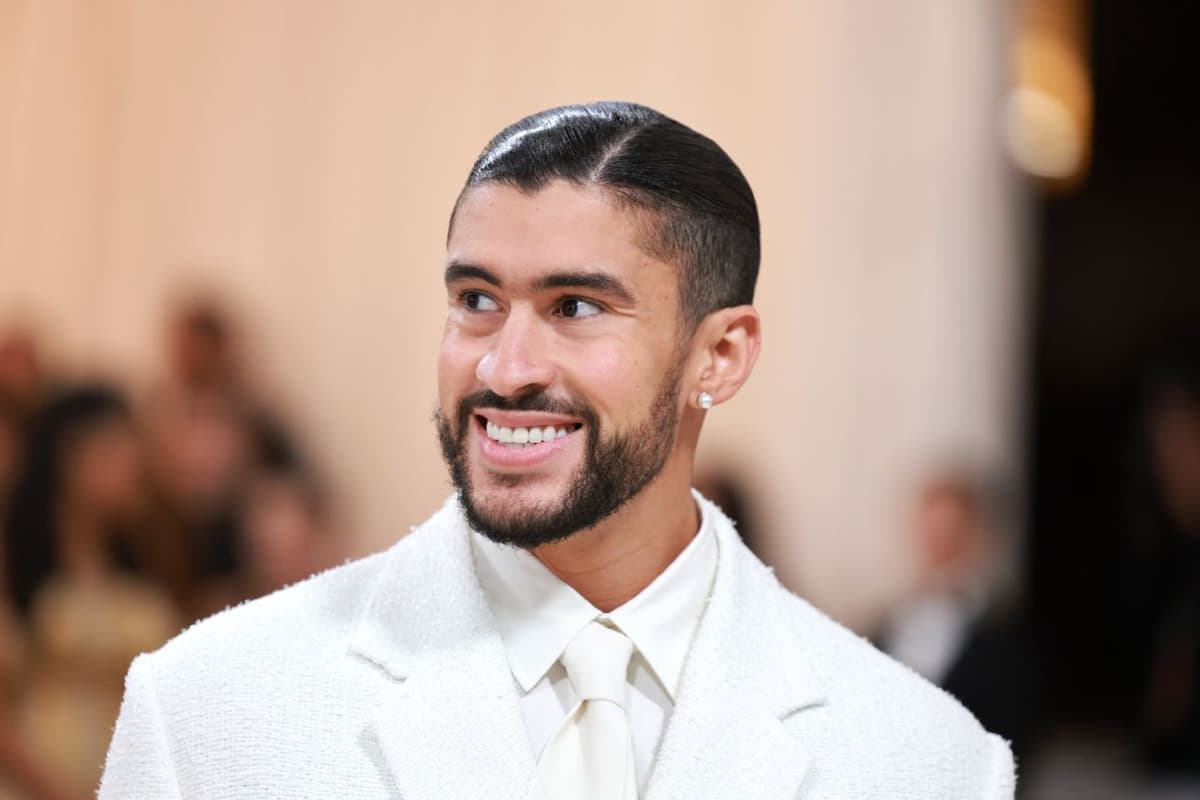
The Super Bowl halftime show has transformed from a simple intermission featuring marching bands into the most-watched musical spectacle on the planet. With the official confirmation that global phenomenon Bad Bunny will headline the Super Bowl LX halftime show, the intersection of sports and Latin culture has reached a new fever pitch. While the Puerto Rican superstar is set to make history as a solo headliner, he follows in the footsteps of legendary Hispanic Super Bowl halftime performers who have commanded the stage and redefined the event for decades.
The Pioneering Influence of Gloria Estefan
Long before the modern era of high-octane pop productions, Gloria Estefan was the primary force bringing Latin rhythms to the NFL’s biggest stage. The Cuban-American icon remains one of the few artists to have performed during multiple Super Bowl halftime shows, acting as a bridge between the traditional variety shows of the past and the superstar-driven concerts of today.
The 1992 Breakthrough in Minneapolis
Estefan’s first major appearance came at Super Bowl XXVI in 1992. In a show titled "Winter Magic," she brought a tropical energy to the freezing climate of Minnesota. While the show still featured elements of traditional pageantry, Estefan’s performance was a clear signal that the NFL was ready to embrace global pop stars to keep audiences tuned in during the break.
A Miami Celebration at Super Bowl XXXIII
By 1999, the halftime show had fully embraced the "Latin Explosion" of the late 90s. Performing in her hometown of Miami, Estefan co-headlined "A Celebration of Soul, Salsa and Swing" alongside Stevie Wonder. This performance was a watershed moment for Hispanic Super Bowl halftime performers, showcasing the vibrant cultural fabric of Miami to a global audience of over 80 million people.
The Turn of the Millennium: Pop Dominance and Heritage
As the year 2000 arrived, the NFL leaned heavily into the popular music trends of the time. At Super Bowl XXXIV in Atlanta, the league curated a "Tapestry of Nations" theme that featured some of the biggest names in the industry, including two prominent artists of Hispanic descent.
Enrique Iglesias and the Latin Pop Wave
Enrique Iglesias, then the reigning king of Latin pop, took the stage to deliver a performance that emphasized the global reach of the genre. His inclusion was a strategic move by the NFL to appeal to a younger, more diverse demographic that was driving the music industry's growth at the turn of the century.
Christina Aguilera’s Ecuadorian Roots
Sharing the stage with Iglesias was Christina Aguilera. While often categorized as an American pop star, Aguilera has frequently honored her Ecuadorian heritage throughout her career. Her powerhouse vocals at the 2000 halftime show added a layer of prestige to the production, proving that Hispanic artists were essential to the league's vision of a multicultural future.
Bruno Mars: A New Standard for Showmanship
One of the most impactful Hispanic Super Bowl halftime performers in recent history is Bruno Mars. Born Peter Gene Hernandez and of Puerto Rican and Jewish descent, Mars delivered a performance at Super Bowl XLVIII in 2014 that remains a benchmark for excellence.
Silencing the Critics in 2014
When Mars was first announced as the headliner, some critics questioned if he had enough hits to carry the show. He responded with a high-energy set that featured a drum solo, impeccable choreography, and a guest appearance by the Red Hot Chili Peppers. The performance was so successful that the NFL invited him back just two years later to perform at Super Bowl 50 alongside Beyoncé and Coldplay.
Honoring Puerto Rican Heritage
Mars’ success on the Super Bowl stage was a significant win for the Puerto Rican community. His ability to blend funk, soul, and pop while maintaining his identity as a performer of color paved the way for future stars like Bad Bunny to be viewed as undisputed headliners for the world’s biggest game.
The Historic 2020 Milestone: Shakira and Jennifer Lopez
The most significant cultural statement in the history of the halftime show occurred at Super Bowl LIV in 2020. For the first time, two Latina icons—Shakira and Jennifer Lopez—were the primary headliners for the event, which took place in Miami.
Shakira’s Global Celebration
Colombian superstar Shakira opened the show with a medley of her greatest hits, incorporating traditional Colombian dances like the Mapalé. Her performance was a masterclass in multi-instrumental talent and cultural pride, reaching a record-breaking digital audience and trending worldwide for weeks after the game.
Jennifer Lopez and the Bronx Connection
Jennifer Lopez followed with a high-concept set that celebrated her Puerto Rican heritage and her roots in the Bronx. The performance featured a poignant moment where her daughter, Emme, sang "Let’s Get Loud" while Lopez donned a reversible flag representing both the United States and Puerto Rico. Interestingly, this 2020 show also featured a guest appearance by Bad Bunny, serving as a precursor to his own upcoming headlining slot at Super Bowl LX.
Looking Ahead to Super Bowl LX
The legacy of these Hispanic Super Bowl halftime performers has created a foundation of excellence that Bad Bunny will now build upon. From the early trailblazing days of Gloria Estefan to the record-breaking heights of Shakira and J.Lo, Hispanic artists have consistently delivered some of the most memorable moments in NFL history. As the league prepares for Super Bowl LX, the world will be watching to see how the next chapter of this iconic history is written.
Sources & Original Reporting