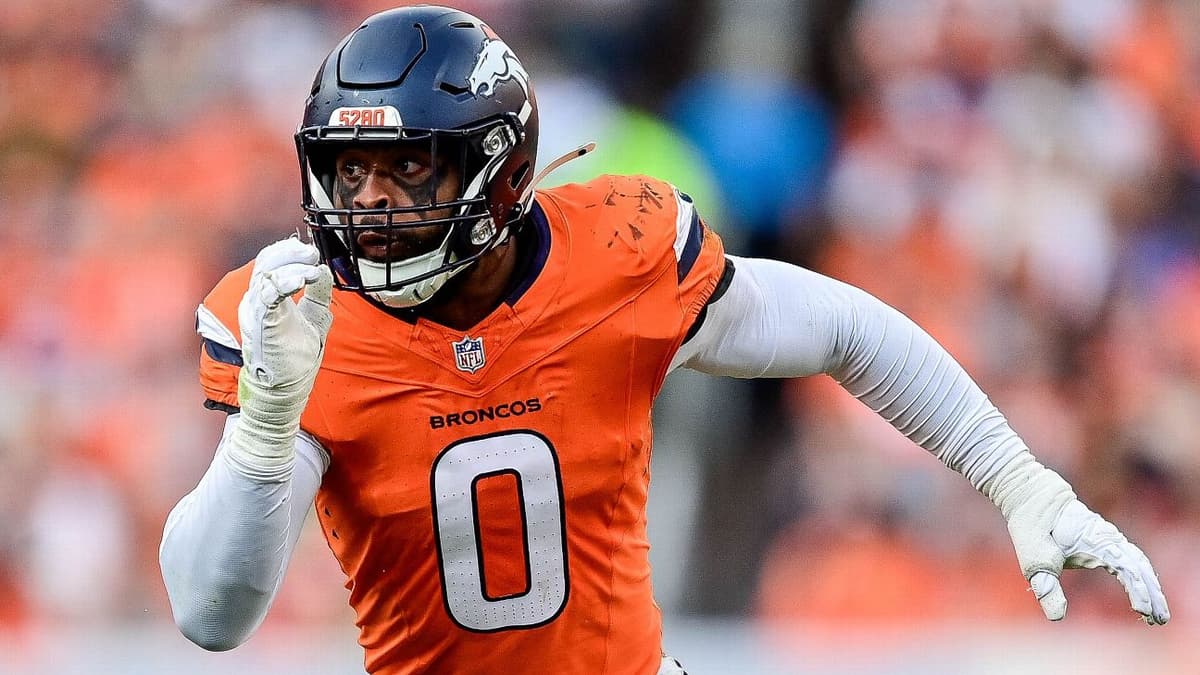
The Denver Broncos are dealing with a developing legal situation involving one of their key defensive pillars. Jonathon Cooper, the team’s standout linebacker, was arrested again on Thursday for allegedly violating a protection order. This latest incident marks a troubling trend for the 28-year-old pass rusher, as it is the second Jonathon Cooper arrest to occur in a span of just over a week, raising serious questions about his status with the team and his future in the league.
Details of the Second Jonathon Cooper Arrest in Eight Days
According to official jail records and law enforcement reports, the 28-year-old Cooper was taken into custody on Thursday, June 11. This follows a previous incident on June 4, meaning the linebacker has been arrested twice in only eight days. The rapid succession of these legal issues has placed the Denver Broncos organization in a difficult position as they navigate the offseason and prepare for the upcoming campaign.
While the initial reports of the Jonathon Cooper arrest on Thursday focused on the violation of a protection order, the situation has escalated significantly. Records indicate that Cooper is now facing a felony assault charge in addition to the protection order violation. The Broncos, who have historically prioritized high character in their locker room, have not yet issued a definitive statement regarding his roster status while the legal process unfolds.
Allegations of Repeated Phone Calls and Protection Order Violations
The specific nature of the alleged violation provides insight into the severity of the charges. Investigators allege that Cooper violated an existing protection order by making repeated phone calls to the protected party. Under the law, a protection order is a strict judicial mandate, and even non-physical contact—such as persistent telephonic communication—can constitute a criminal breach.
The transition from a misdemeanor violation to a felony assault charge suggests that the legal gravity of the situation has intensified. In many jurisdictions, repeated violations of a court order, or actions that occur while an individual is already out on bond for a similar offense, can lead to enhanced charges. For Cooper, the legal hurdles are mounting quickly, as he must now defend against a felony count that carries much steeper penalties than a standard protection order violation.
High Stakes: The $60 Million Contract Extension
The timing of these arrests is particularly impactful given Cooper’s recent financial commitment from the Broncos. Earlier this offseason, the organization showed immense faith in the linebacker by signing him to a $60 million contract extension. This deal was intended to solidify Cooper as a cornerstone of the Denver defense for years to come, rewarding his transition from a seventh-round draft pick to a premier edge rusher.
With such a significant investment on the line, the stakes for both the player and the organization could not be higher. The Broncos now face the challenge of balancing their financial commitment to a star athlete with the requirements of the NFL’s Personal Conduct Policy. A felony charge often triggers an immediate review by the league office, which could lead to further disciplinary action regardless of the eventual courtroom outcome.
NFL Personal Conduct Policy and Potential Discipline
As is standard with any Jonathon Cooper arrest, the NFL is expected to launch an independent investigation into the matter. The league does not require a criminal conviction to levy its own punishment. Under the Personal Conduct Policy, the Commissioner has the authority to place players on the Commissioner’s Exempt List or issue suspensions if their conduct is deemed detrimental to the league.
Key factors the NFL will likely consider include:
- The fact that this is the second arrest in an eight-day window.
- The escalation of the charges to a felony assault level.
- The nature of the protection order violation involving repeated contact.
On the field, Cooper’s absence would be a devastating blow to the Broncos' defensive unit. He has been the team's most consistent source of pressure on opposing quarterbacks, and replacing his production on short notice would be a daunting task for the coaching staff. For now, the Broncos and the NFL will wait for further clarity from the judicial system as the 28-year-old linebacker prepares for his upcoming court appearances.
Sources & Original Reporting