As the league prepares for another grueling campaign, the strategic landscape of professional football is undergoing a significant transformation. The success of a franchise often rests not just on the shoulders of its head coach or star quarterback, but on the tactical minds orchestrating the units behind the scenes. With several high-profile **NFL coordinators entering 2026 season** under intense scrutiny, ESPN analyst Ben Solak has identified 10 key coaching changes that will define the competitive balance of the league this year. From defensive reconstructions in Dallas to offensive evolutions in the Pacific Northwest, these appointments represent the most pivotal storylines of the summer.
Repairing the Dallas Cowboys Defense
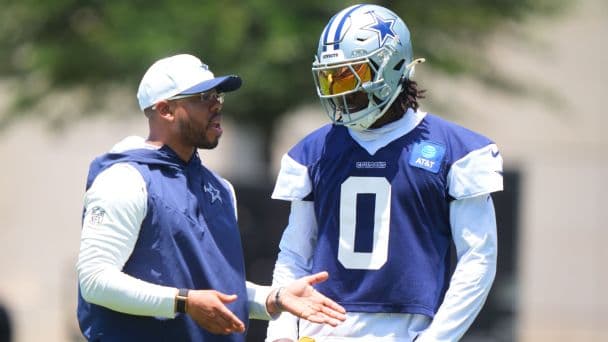
Perhaps no coordinator faces a more daunting task than the man tasked with repairing the Dallas Cowboys defense. After a season where the unit struggled with consistency and late-game execution, the pressure is on to maximize a roster featuring elite talent like Micah Parsons. The central question in Arlington is whether a new scheme can shore up a secondary that was frequently exploited in 2025 while maintaining the aggressive pass-rush identity that has been the team's hallmark. For the Cowboys, this isn't just a coaching change; it is a fundamental reset of their defensive philosophy intended to propel them back into Super Bowl contention.
New Eras for the Commanders and Seahawks
The Washington Commanders and Seattle Seahawks are both entering the 2026 season with fresh perspectives on their coaching staffs. In Washington, the focus remains on providing a stable environment for a developing roster, with the new coordinator expected to implement a system that emphasizes efficiency and ball security. Meanwhile, in Seattle, the post-Pete Carroll evolution continues. The Seahawks are looking to refine a defensive identity that has fluctuated in recent years. Solak notes that the success of these new hires will depend on how quickly the players can adapt to new terminology and situational priorities during the heat of training camp.
High Stakes for Contenders: Bills and Ravens
For perennial powerhouses like the Buffalo Bills and Baltimore Ravens, coordinator changes are rarely about rebuilding; they are about finding the marginal gains necessary to secure a championship. In Buffalo, the primary objective is to evolve the offense into a more multidimensional threat that reduces the physical toll on Josh Allen. The new offensive leadership must prove they can generate a consistent run game to complement Allen’s arm. In Baltimore, the Ravens face the challenge of maintaining defensive dominance despite personnel shifts. The ability of their new coordinator to mask weaknesses in the linebacker corps while utilizing a versatile secondary will be a major factor in the AFC North race.
Strategic Shifts: Chargers, Broncos, and Lions
The 2026 season also brings significant intrigue to the Los Angeles Chargers, Denver Broncos, and Detroit Lions. Under the established leadership of Jim Harbaugh and Sean Payton, the Chargers and Broncos are fine-tuning their systems to better reflect their head coaches' long-term visions. For the Lions, maintaining the offensive explosiveness that has defined the Dan Campbell era while integrating a new play-caller is the top priority. Solak highlights that for these teams, the "questions" aren't about talent, but about the synergy between the coordinator’s play-calling rhythm and the quarterback’s strengths.
The Outlook for NFL Coordinators Entering 2026 Season
Rounding out the list of high-stakes changes are the Cleveland Browns, who continue to seek the right balance to unlock their expensive offensive assets. Across the league, these 10 coordinators are stepping into roles where the margin for error is razor-thin. Whether it is a veteran coach looking for a career resurgence or a young innovator getting their first big break, the tactical decisions made in the coming months will dictate the narrative of the 2026 season. As training camps open, all eyes will be on how these units respond to their new leadership and whether these strategic gambles will pay off in the win column.
Sources & Original Reporting