The New York Jets offseason has reached a fever pitch as the franchise desperately attempts to course-correct after a devastating 15th consecutive season without a playoff appearance. For a fanbase that has endured the longest active postseason drought in major North American professional sports, the 2026 spring period represents more than just a fresh start—it is a total systemic overhaul. From a new coaching philosophy to a high-stakes quarterback trade, the Jets have spent the last few months aggressively dismantling the old regime to build a foundation that can finally compete in the AFC East.
1. The Aaron Glenn Era Begins
The most significant shift in the New York Jets offseason is the appointment of Aaron Glenn as head coach. Following the dismissal of the previous leadership, owner Woody Johnson prioritized a leader with a proven track record of building culture and defensive excellence. Glenn, a former Jets player himself, returns to Florham Park with the task of instilling discipline in a locker room that has lacked consistency during the decade-and-a-half playoff hiatus.
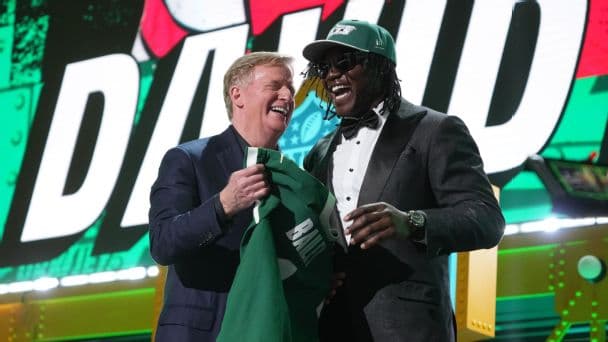
2. Drafting a Cornerstone: David Bailey at #2 Overall
With the second overall pick in the 2026 NFL Draft, the Jets signaled their commitment to the defensive front by selecting David Bailey. The elite edge rusher is expected to be the focal point of the defense for years to come. Bailey’s explosive first step and polished pass-rushing moves make him an immediate day-one starter. The front office passed on several high-profile offensive prospects to secure Bailey, betting that a dominant pass rush is the fastest way to close the gap with the rest of the division.
3. The Surprising Reunion: Trading for Geno Smith
In a move that stunned the league, the Jets completed a trade with the Las Vegas Raiders to bring Geno Smith back to New York. After a difficult 2025 season that saw the Jets' quarterback room crumble, the front office targeted Smith to serve as a reliable bridge starter. Having evolved significantly since his first stint in green and white, Smith provides a veteran presence and a level of accuracy that the team has lacked. He isn't just a nostalgic addition; he is a calculated gamble to stabilize the offense immediately.
4. Rebuilding the Offensive Line from Scratch
If there is one lesson the Jets learned from recent failures, it is that no quarterback can succeed without protection. A central theme of the New York Jets offseason has been the total reconstruction of the offensive line. Through a combination of high-stakes free agency and mid-round draft capital, the Jets have brought in three new starters to solidify the trenches. This unit is now built for durability, aiming to avoid the injury-plagued rotations that derailed their 2025 campaign.
5. Prioritizing Weapons for Garrett Wilson
While Garrett Wilson remains the undisputed WR1, the Jets recognized he couldn't do it alone. The offseason saw a concerted effort to add diverse skill sets to the receiving corps. By adding a veteran deep threat and a reliable possession tight end, the Jets are forcing opposing defenses to stop doubling Wilson on every snap, which should open up the intermediate passing game for Geno Smith.
6. Defensive Continuity Amidst Change
While the offense and coaching staff saw massive changes, the Jets made a point to retain their defensive core. By re-signing key interior linemen and keeping their secondary intact, Aaron Glenn inherits a unit that was already performing at a high level. The philosophy here is simple: don't fix what isn't broken. This continuity should provide a safety net for the team while the new offense finds its rhythm.
7. Moving On from the 2025 Collapse
The 2025 season was a low point even by Jets standards, and the offseason moves reflect a desire to purge that memory. The team moved on from several high-priced veterans who were seen as symbols of the previous era's underachievement. This "addition by subtraction" approach has cleared cap space and opened up leadership roles for younger players and new arrivals like Glenn and Smith.
8. A Shift to a More Aggressive Special Teams
Often overlooked, the Jets also overhauled their special teams units. With a new coordinator and several specific free-agent signings aimed at coverage and return ability, the Jets are looking to win the field position battle—a critical component for a team planning to rely on a strong defense and a veteran bridge quarterback.
9. Financial Flexibility for the Future
Despite the aggressive moves, the Jets managed to structure contracts in a way that provides future flexibility. By avoiding massive, long-term guarantees for aging players, the front office has ensured that if the Geno Smith experiment is only a short-term fix, they will have the resources to pursue a long-term franchise quarterback in the 2027 cycle without being hamstrung by dead cap.
10. The "Win-Now" Mandate
The overarching takeaway from this entire period is a palpable sense of urgency. Woody Johnson’s patience has clearly run out. Every move—from hiring a former player like Glenn to drafting a blue-chip defender like David Bailey—is designed to break the 15-year curse immediately. There are no more five-year plans in Florham Park; the 2026 season is playoffs or bust.
Sources & Original Reporting