The sports collectibles industry has undergone a massive transformation over the last decade, evolving from a niche hobby into a multi-billion dollar powerhouse. At the center of this explosion is a practice known as "breaking," where individuals pay for a share of a sealed box of sports cards. However, this lucrative trend is now facing significant legal questions. As regulators and legal experts take a closer look at the mechanics of the industry, the central question remains: Could NFL box breaking be legally classified as gambling or an illegal lottery?
Understanding the Mechanics of NFL Box Breaking
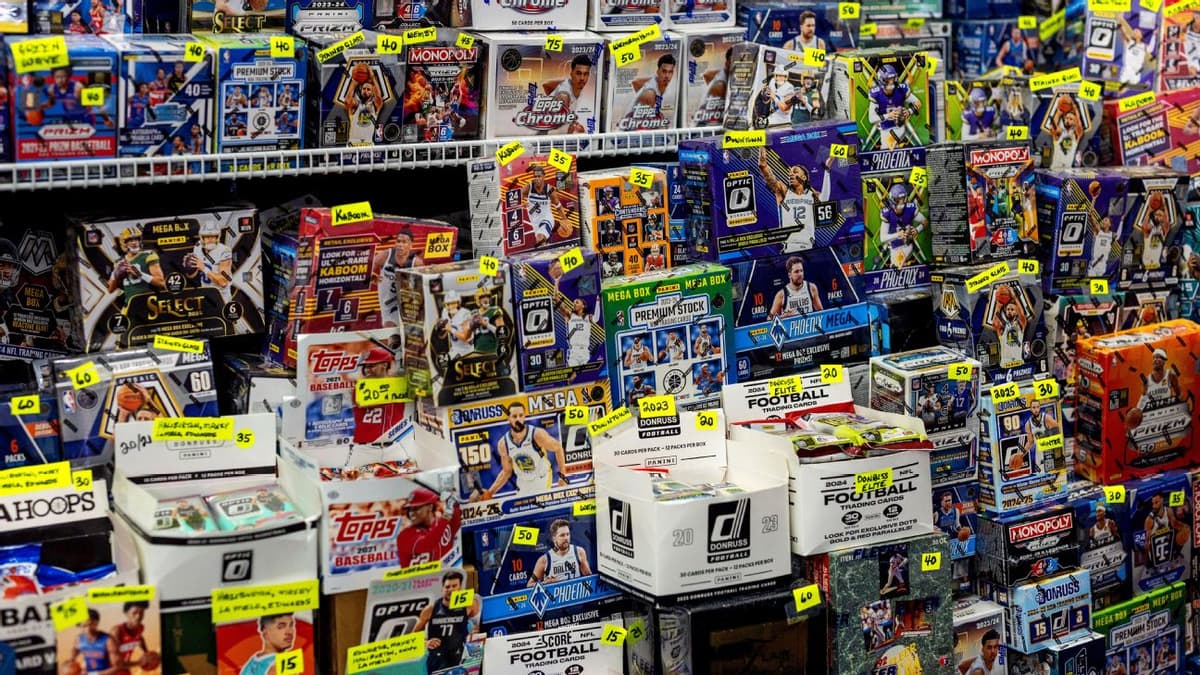
To understand the legal controversy, one must first understand how a typical break works. In the world of NFL box breaking, a professional "breaker" purchases expensive, high-end cases of football cards—often costing thousands of dollars. They then sell "spots" to participants. These spots are usually divided by NFL teams. For example, a collector might pay a set fee for the rights to every card pulled from the Dallas Cowboys or the Kansas City Chiefs in a specific case.
The appeal is obvious: for a fraction of the cost of a full box, a fan has a chance to land a 1-of-1 rookie patch autograph of a superstar quarterback. However, the risk is equally high. If the breaker opens the entire case and no cards for the chosen team are found, the participant leaves with nothing. This "all-or-nothing" dynamic is exactly what has caught the attention of legal analysts and state regulators.
The Legal Definition: Prize, Chance, and Consideration
The primary legal concern regarding NFL box breaking hinges on the statutory definition of a lottery. In most jurisdictions, an activity is considered an illegal lottery or gambling if it contains three specific elements:
- Consideration: The participant pays money to enter (the cost of the break spot).
- Chance: The outcome is determined by luck rather than skill (the random distribution of cards in a box).
- Prize: There is a reward of value (the sports cards themselves).
Critics argue that box breaking checks all three boxes. Because participants are paying for the chance to win an item of fluctuating market value, and there is a distinct possibility of receiving zero return on their investment, the parallels to traditional sports betting or casino gaming are difficult to ignore. The collectibles industry has long operated in a gray area, but as the dollar amounts involved have skyrocketed, the scrutiny has intensified.
Why Regulators are Targeting the Collectibles Market
The shift in focus toward the legality of breaking isn't accidental. The entry of major corporate entities like Fanatics into the space has professionalized the hobby, but it has also put a giant target on the industry's practices. When card breaking was a small-scale operation conducted in the back of local hobby shops, it flew under the radar. Today, breaks are streamed 24/7 on platforms like Fanatics Live, Whatnot, and YouTube, generating millions of dollars in daily revenue.
Legal experts point out that if a state attorney general were to classify breaking as gambling, the entire infrastructure of the hobby would have to change. Breakers might be required to obtain gaming licenses, implement strict age verification processes, and adhere to state-specific gambling taxes. Furthermore, if deemed an illegal lottery, the practice could be banned entirely in certain states that have strict anti-gambling statutes.
The Industry Defense and Future Outlook
Proponents of the hobby argue that NFL box breaking is a service, not a gamble. They contend that the participant is paying for the entertainment value of the live stream and the logistical service of the breaker sourcing and opening the product. They also point to the fact that many breakers include "skunk hits"—small consolation prizes or base cards—to ensure that every participant receives something physical for their money, which is a common tactic used to circumvent lottery laws.
However, the "consolation prize" defense is being tested. Regulators are increasingly looking at the "primary intent" of the transaction. If the primary intent is to win a high-value item through a process of chance, the presence of a low-value consolation prize may not be enough to shield the activity from gambling laws. As the legal debate continues, the collectibles industry remains at a crossroads, waiting to see if the next big "hit" will be a regulatory crackdown.
Sources & Original Reporting