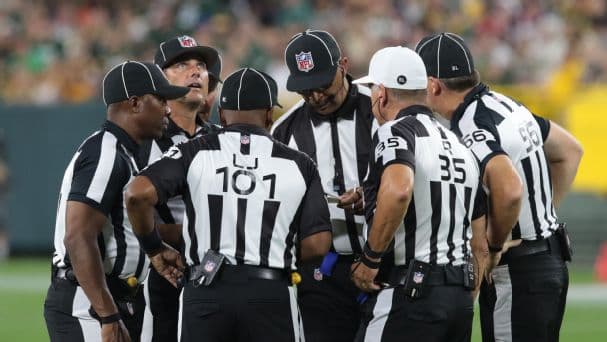
In an era where every penalty flag is scrutinized by high-definition replays and millions of fans on social media, the quality of NFL officiating has never been more central to the league's narrative. As the stakes continue to rise, a new Collective Bargaining Agreement (CBA) between the NFL and the NFL Referees Association (NFLRA) aims to address these concerns. However, while the league hopes this agreement will lead to a more accurate product on the field, the shift in structure brings a new set of challenges for the men and women in stripes.
The Core Changes in the NFL Officiating CBA
The latest agreement between the league and its officials is built on a foundation of increased accountability and competition. For years, the NFL has faced criticism regarding the consistency of its officiating crews. The new NFL officiating CBA seeks to remedy this by introducing mechanisms that make job security more dependent on performance metrics. By fostering a more competitive environment, the league intends to ensure that only the highest-performing officials are retained and promoted to high-stakes assignments, such as the playoffs and the Super Bowl.
Under the new terms, the evaluation process is expected to become more rigorous. The league is emphasizing a data-driven approach to grading officials, looking at everything from positioning to the accuracy of split-second decision-making. This move is designed to satisfy fans, owners, and players who have called for a professionalization of the officiating corps that matches the elite level of the athletes on the field.
The Double-Edged Sword of Competition
While the goal of the new NFL officiating CBA is to improve the quality of the game, there is a growing concern among veteran officials about the psychological impact of these changes. The agreement creates a landscape where officials may feel they are constantly "looking over their shoulders." In a profession where confidence is as important as knowledge of the rulebook, the fear of losing one's job over a single high-profile mistake could have unintended consequences.
Sports psychology suggests that when officials operate under extreme fear of retribution, they may become hesitant. This could lead to one of two outcomes: a reluctance to throw the flag on controversial plays, or a tendency to "over-officiate" to prove they are catching every minor infraction. Finding the balance between accountability and the freedom to manage a game naturally is the primary challenge facing the NFLRA under this new deal.
Impact on Super Bowl Assignments and Postseason Play
One of the most tangible impacts of the new agreement relates to how officials are selected for the postseason. The NFL officiating CBA reinforces the idea that the Super Bowl should be officiated by the "best of the best," but the criteria for reaching that pinnacle are becoming more stringent. The competition for these spots is expected to be fiercer than ever, as the financial and professional rewards for working the championship game are significant.
The league's focus on competition means that seniority may no longer carry the weight it once did. Younger officials who demonstrate high accuracy rates early in their careers could find themselves fast-tracked to major assignments, while veterans who show signs of decline could see their postseason opportunities vanish. This meritocratic shift is a key pillar of the NFL's strategy to modernize its officiating department.
Will Referee Performance Actually Improve?
The ultimate question for fans and teams is whether this new referee performance framework will actually result in fewer blown calls. The NFL has invested heavily in technology, including centralized replay in New York and the use of "hawk-eye" technology for line-to-gain measurements, but the human element remains the most critical factor. The CBA is an attempt to optimize that human element.
Critics argue that until the NFL moves to a full-time officiating model—where referees are not balancing their league duties with other professional careers—the improvements may only be marginal. However, the current CBA represents a significant step toward a more professionalized structure. By creating a system where performance is tied directly to job security and advancement, the league is betting that the pressure of competition will sharpen the focus of its officials rather than cause them to crumble under the weight of expectation.
Looking Ahead: The Future of Officiating
As the NFL transitions into this new era of officiating, the results will be measured in the absence of controversy. For the league, the best-case scenario is an officiating crew that remains invisible, allowing the players' performance to dictate the outcome of the game. The NFL officiating CBA provides the tools for this improvement, but the execution will depend on how the officials adapt to a high-pressure environment where their every move is graded.
- Increased use of performance data for weekly grading.
- Higher stakes for postseason and Super Bowl eligibility.
- A shift toward a more merit-based retention system.
- Potential for increased stress and hesitation among officiating crews.
Only time will tell if the "look over your shoulder" culture created by the new agreement will foster excellence or anxiety. For now, the NFL is moving forward with a clear message: in the pursuit of officiating perfection, no one's job is safe.
Sources & Original Reporting