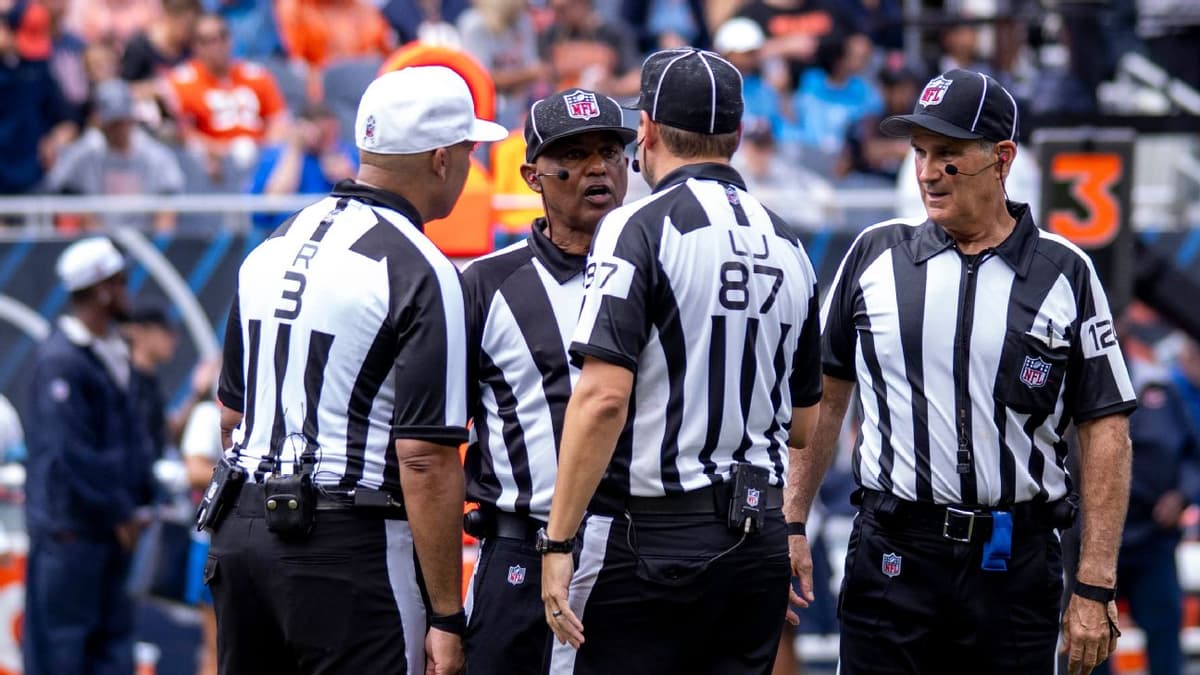
The officials who maintain order on the gridiron are currently in a high-stakes standoff with the league office. In a development that could have significant implications for the upcoming football season, NFL labor negotiations between the league and the NFL Referees Association (NFLRA) have reportedly reached a troubling impasse. According to sources who spoke with ESPN, the two sides broke off their scheduled meetings earlier than expected this week after failing to find common ground on a new collective bargaining agreement (CBA).
Understanding the Breakdown in NFL Labor Negotiations
The sudden termination of this week's meetings marks a significant hurdle in the NFL labor negotiations. Labor talks were originally slated to continue throughout the week, but the lack of progress led both parties to abandon the table prematurely. This impasse suggests a widening gap between the league's proposal and the demands of the officials who represent the NFLRA.
While the specific details of the sticking points have not been made public, labor disputes in professional officiating typically revolve around several core pillars: compensation, retirement benefits, and the transition toward full-time employment for officials. The NFLRA represents the men and women responsible for enforcing the rules in one of the world's most profitable sports leagues, and their collective bargaining agreement serves as the bedrock for their working conditions.
The Role of the NFL Referees Association
The NFL Referees Association is the labor union representing the on-field officials. Their mission is to negotiate fair wages and benefits while ensuring that the standards of officiating remain high. When NFL labor negotiations stall, it puts a spotlight on the relationship between the league’s administration and the individuals who must make split-second decisions under immense pressure.
The fact that talks were cut short earlier than scheduled is often an indicator that the parties are not just apart on numbers, but perhaps fundamentally at odds regarding the structure of the next deal. In professional sports labor history, breaking off talks early is frequently used as a tactical move to signal dissatisfaction and to reassess strategies before returning to the bargaining table.
The Looming Shadow of the 2012 Lockout
For long-time fans of the sport, any mention of an impasse in NFL labor negotiations with officials brings back memories of the 2012 season. During that period, a breakdown in CBA talks led to a lockout of the regular officials, resulting in the use of replacement referees for the start of the season. That era was defined by controversial calls and a general sense of chaos on the field, which eventually forced the league and the NFLRA to reach a resolution.
While the current situation has not yet reached the level of a lockout, the inability to make progress during scheduled sessions is a cause for concern for team owners, coaches, and players alike. The integrity of the game relies heavily on the consistency and expertise of veteran officials, making these labor talks a critical priority for the league's front office.
What Happens Next in the Collective Bargaining Process?
With the current round of talks dissolved, the next steps remain unclear. Typically, in the wake of an impasse, a cooling-off period occurs where both the NFL and the NFLRA will consult with their respective legal teams and memberships. The goal is usually to identify areas of compromise that can jumpstart the NFL labor negotiations in the near future.
Key areas that often require resolution in these disputes include:
- Total Compensation: Adjusting salaries to reflect the league's growing revenue.
- Benefits and Pensions: Securing long-term financial stability for officials.
- Developmental Programs: Funding for the training of new officials to ensure a pipeline of talent.
- Full-Time Status: Discussions regarding whether more officials should be made full-time employees rather than seasonal contractors.
As the NFL calendar moves forward, the pressure to reach an agreement will only intensify. Both the league and the officials' union understand that a prolonged dispute serves neither party, especially with the eyes of millions of fans fixed on the product. For now, the sports world waits to see if a mediator will be required or if the two sides can find a path back to the negotiating table on their own terms.
Sources & Original Reporting