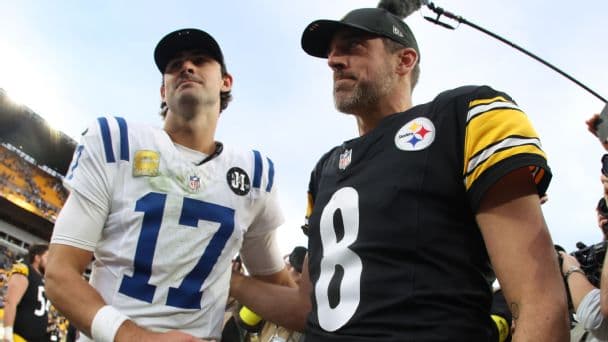
With the conclusion of Super Bowl LX, the professional football world immediately pivots from the gridiron to the front office. The 2026 league year brings a fresh set of challenges for all 32 franchises, ranging from salary cap navigation to high-stakes personnel decisions. Understanding the NFL offseason priorities is essential for fans and analysts alike as the league prepares for a transformative spring period that will redefine the competitive landscape for the coming season.
Critical Dates for the 2026 NFL Calendar
The road to the 2026 kickoff is paved with administrative deadlines that dictate how teams build their rosters. The first major window opens in late February, allowing teams to designate franchise or transition players. This period is vital for teams looking to retain elite talent without long-term agreements immediately in place. Following the tag window, the scouting world descends upon Indianapolis for the annual NFL Scouting Combine, where the next generation of stars is measured and evaluated.
- February 24 – March 10: Franchise and Transition Tag Designation Period.
- February 24 – March 2: NFL Scouting Combine in Indianapolis.
- March 9 – March 11: Legal tampering window for unrestricted free agents.
- March 11: The 2026 League Year and Free Agency period officially begin at 4:00 p.m. ET.
- April 23 – April 25: The 2026 NFL Draft.
Veterans on Retirement Watch
One of the most significant NFL offseason priorities for several franchises involves the potential departure of legendary figures. As the 2025 season concluded, several high-profile veterans indicated that they would take time to evaluate their futures. Retirement decisions from franchise icons can create immediate voids in leadership and production, forcing front offices to pivot their draft and free agency strategies.
Teams facing these potential retirements must weigh the benefits of bringing back aging stars for one final run versus beginning a full-scale rebuild. For organizations with veteran quarterbacks or perennial All-Pro offensive linemen contemplating the end of their careers, the decision-making process is often the first domino to fall in the offseason cycle. These announcements typically arrive before the start of the new league year in March to allow teams adequate time for contingency planning.
Roster Movement and Trade Market Dynamics
Beyond retirements, the 2026 offseason is expected to be defined by aggressive roster movement. The trade market has become an increasingly popular tool for general managers looking to offload heavy contracts or acquire proven talent. This year, several star players entering the final years of their deals are expected to be at the center of trade discussions, particularly those on teams looking to reset their salary cap health.
The "on the move" storylines often involve disgruntled stars seeking new environments or teams looking to capitalize on a player's peak trade value. In the modern NFL, the period between the Super Bowl and the Draft is the primary window for these blockbuster deals. Analysts are keeping a close eye on the quarterback market, as teams that missed out on the postseason look to upgrade the most important position on the field through veteran acquisitions rather than relying solely on the draft.
Salary Cap Management and Free Agency
Managing the salary cap remains a top-tier NFL offseason priority. With the cap projected to rise again in 2026, teams have more flexibility than in previous decades, but the cost of elite talent has scaled accordingly. Front offices must balance the desire to sign top-tier free agents with the necessity of extending their own homegrown stars. This balance is particularly precarious for teams with young quarterbacks approaching their second contracts, which often reset the market and limit spending elsewhere.
Free agency in 2026 will likely be characterized by a "middle-class" squeeze, where teams prioritize superstars and low-cost depth, often leaving mid-tier veterans to wait for deals later in the summer. The first 48 hours of the new league year will see billions of dollars committed as the league's power structure shifts in real-time.
The 2026 NFL Draft Strategy
Finally, the offseason culminates in the NFL Draft, where teams look to find cost-controlled talent to bolster their rosters. For teams that were active in the trade market or lost significant players to retirement, the draft represents the primary opportunity to fill roster holes. The 2026 class is noted for its depth in the trenches, making it a pivotal year for teams looking to improve their offensive and defensive lines. As the draft approaches, the focus will shift from veteran movement to the rigorous evaluation of collegiate prospects, closing the chapter on the 2026 offseason and beginning the march toward training camp.
Sources & Original Reporting