As the NFL prepares for the spectacle of Super Bowl LX at Levi’s Stadium, a significant labor battle is brewing in Northern California. While league executives and owners have spent months hinting at a transition to a longer season, the leadership of the NFL Players Association (NFLPA) used their platform in San Francisco on Tuesday to draw a line in the sand regarding the NFL 18-game schedule.
David White Rejects the NFL 18-Game Schedule
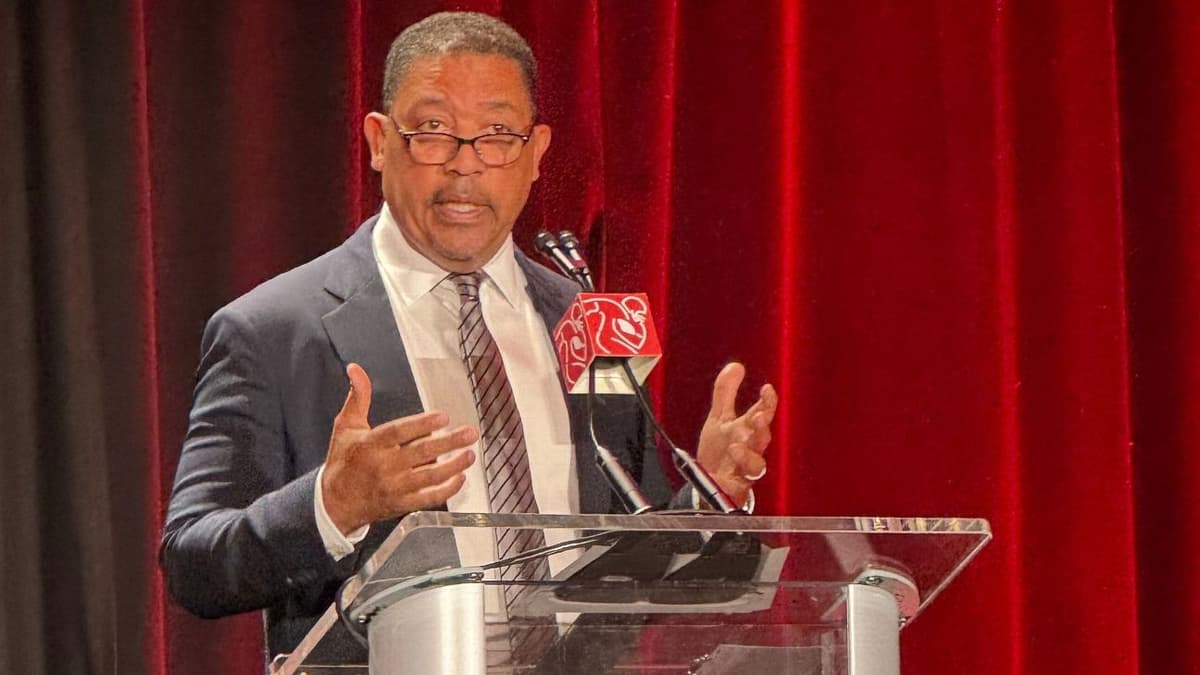
During a press conference at the Super Bowl LX media center, NFLPA interim executive director David White addressed the growing momentum from the league office to expand the regular-season calendar. White, who assumed leadership following the resignation of Lloyd Howell in July 2025, made it clear that the union's membership is unified in their opposition.
"Our players have no appetite for an 18th game," White stated firmly. This declaration serves as a direct rebuttal to recent public comments made by NFL Commissioner Roger Goodell and various team owners who have suggested that an 18-game regular season—likely coupled with a reduction in the preseason—is the logical next step for the league’s commercial growth.
The resistance from the union isn't just a negotiating tactic; it is rooted in the fundamental agreement between the league and its workforce. White emphasized that the players feel they have already reached their limit with the transition from 16 to 17 games, a change that took effect in 2021. For the current union leadership, the conversation around an NFL 18-game schedule is a non-starter under the current conditions.
Prioritizing Player Health and Safety in the 17-Game Era
The primary driver behind the NFLPA’s opposition is the physical toll the game takes on its participants. In an era where the league and the union both claim to prioritize health and safety, players argue that adding another week of high-impact, regular-season football is contradictory to those goals. The jump to 17 games was already a massive adjustment that many veterans believe has led to increased wear and tear and a higher risk of late-season injuries.
White noted that the players are already pushing their bodies to the absolute limit. The physical demands of the modern NFL are higher than ever, and the union views the 18th game as a bridge too far for the current infrastructure of player recovery. During his address in San Francisco, White highlighted several key concerns regarding the proposal:
- Increased Injury Risk: The cumulative effect of an extra week of full-contact play on an already exhausted roster.
- Career Longevity: How a longer season impacts the average length of a player's career and post-retirement health.
- Recovery Time: The diminishing window for players to heal between the end of a grueling postseason and the start of the next offseason program.
The Conflict with the League's Revenue Vision
The NFLPA's stance sets up a potential collision course with the league's top brass. Commissioner Roger Goodell has previously described an 18-game schedule as an "optimal" format, suggesting that fans would prefer more meaningful regular-season games in exchange for fewer preseason exhibitions. Goodell’s vision often includes a balanced schedule where every team plays two preseason games and 18 regular-season games, potentially pushing the Super Bowl into Presidents Day weekend.
However, the union sees this primarily as a revenue-driven move that does not adequately compensate for the added physical risk. While the league sees a path to increased television contracts and ticket sales, the players see a path to more surgeries and shorter careers. White’s comments serve as a reminder that the league cannot unilaterally implement such a massive change without the union's consent and a significant restructuring of the current economic model.
Long-Term Implications for the CBA and 2030
Currently, the NFL and the NFLPA are operating under a Collective Bargaining Agreement (CBA) that is set to run through the 2030 season. Because the 17-game schedule was a hard-fought point of negotiation in the current CBA, any move to an 18th game would likely require a complete reopening of the agreement or a significant side-letter agreement with massive concessions from the owners.
The union leadership hinted that if the league is serious about an 18th game, the price for the players' consent will be steep. Potential demands from the union could include:
- A significantly higher percentage of guaranteed contracts across the league.
- An increase in the players' share of League Media Revenue (the "revenue split").
- Expanded active rosters and practice squads to help manage the workload.
- A mandatory second bye week for every team to allow for mid-season recovery.
For now, David White and the NFLPA are focused on immediate issues, such as potential changes to the OTA (Organized Team Activity) schedule and the continued expansion of the international game. But as the league continues to boom financially heading into Super Bowl LX, the pressure to add an 18th game will only grow. Based on White’s latest comments, the NFL should expect a long and difficult fight before that 18th game ever becomes a reality.
Sources & Original Reporting