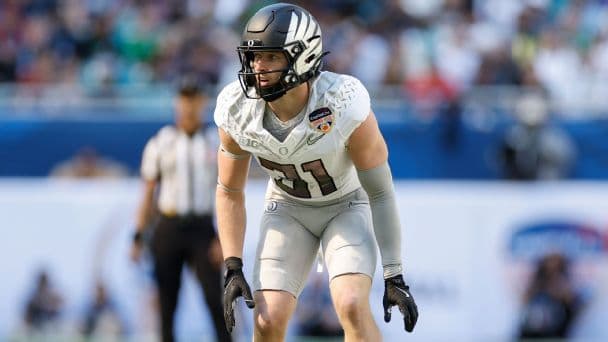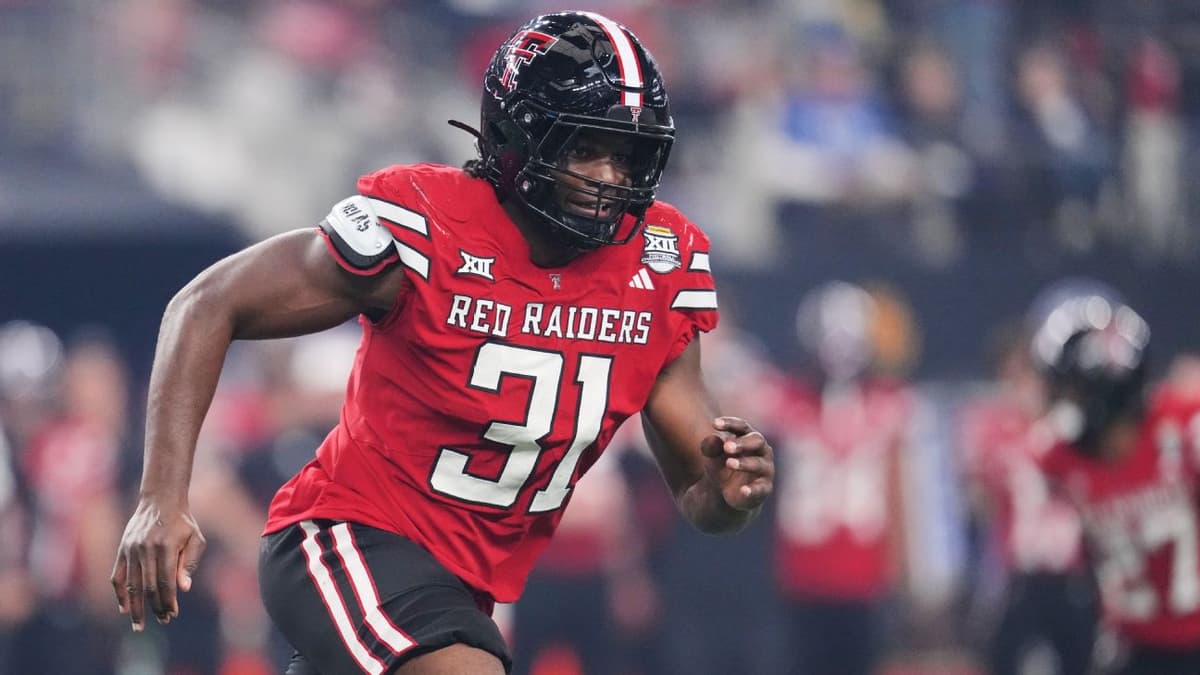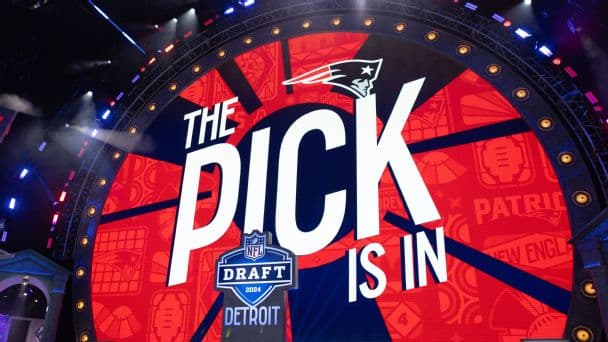
As the NFL Draft approaches, the New England Patriots No. 31 pick has become a focal point of discussion, especially with former director of football research Ernie Adams weighing in on the team's historical approach to the late first round. For decades, Adams was the man behind the curtain for Bill Belichick, helping navigate the complexities of draft boards when the team was consistently picking at the bottom of the order. His insights provide a rare glimpse into how the organization views the value of a pick that sits on the cusp of the second round.
The Ernie Adams Blueprint for Late First-Round Success
Drafting at the end of the first round requires a distinct philosophy compared to holding a top-ten selection. According to Adams, the New England Patriots No. 31 pick represents a unique strategic opportunity. Historically, the Belichick-led Patriots viewed this position not just as a chance to grab a player, but as a flexible asset that could be used to manipulate the board. Adams notes that by the time the draft reaches the 31st selection, the "true" first-round grades on most teams' boards have often been exhausted.
The strategy often involves determining if a player remaining on the board carries a significantly higher grade than those expected to be available in the middle of the second round. If not, the Patriots have historically been prone to trading back to accumulate more "lottery tickets" in the middle rounds. However, the 31st pick carries the prestigious fifth-year option, a critical contract tool that makes the selection more valuable than the 33rd pick, even if the talent level is comparable.
Evaluating the Prospect Pool and the Notebook Names
In the current draft cycle, several names have surfaced in the scouting notebook as the Patriots evaluate their options. While the team is looking at every position of need, the depth of this year's class offers various paths. Athletes such as Jalon Daniels and Joe Fagnano represent the type of quarterback depth that teams often monitor as the draft progresses into the later stages. Meanwhile, defensive prospects like Keldric Faulk and George Gumbs Jr. highlight the edge-rushing talent that could be available to a team looking to bolster its front seven.
Adams' insight suggests that the Patriots' scouting department, now led by a new regime but still influenced by years of established protocol, looks for specific traits in late-round picks. Players like Jeremiah Wright and Brady Olson are indicative of the developmental profiles that often catch the eye of New England scouts—players with high football IQ and the versatility to play multiple roles within a system.
Why the No. 31 Pick is a Strategic Chess Piece
One of the key takeaways from Adams’ perspective is the patience required to manage the New England Patriots No. 31 pick. Because the pick occurs at the very end of the first night of the draft, it often becomes a target for teams looking to jump back into the first round to secure a player they don't want to lose to the start of the second round. This creates a high-leverage situation for New England.
- The Fifth-Year Option: This allows the team to control a first-round talent for an extra year at a predetermined cost, which is vital for salary cap management.
- Trade Leverage: Teams picking early in the second round often trade up to 31 to ensure they get "their guy" before the overnight break.
- Best Player Available vs. Need: Adams emphasizes that at 31, the gap between the best player available and a position of need is often narrow, allowing for more flexibility.
The Transition from the Belichick Era
While Ernie Adams is no longer in the draft room, his influence remains a part of the organization's DNA. The challenge for the current front office is to apply these historical lessons to a modern NFL landscape. The New England Patriots No. 31 pick is more than just a slot on a chart; it is a legacy of the "Patriot Way"—a commitment to value, discipline, and thorough evaluation.
As the draft notebook fills with reports on players like Keldric Faulk and Jalon Daniels, the front office must decide if they will stick to the conservative, value-based approach championed by Adams or if they will take a more aggressive stance to kickstart their new era. Regardless of the choice, the insights provided by the former aide serve as a reminder that in the NFL Draft, the most important work happens long before the clock starts ticking.
Sources & Original Reporting