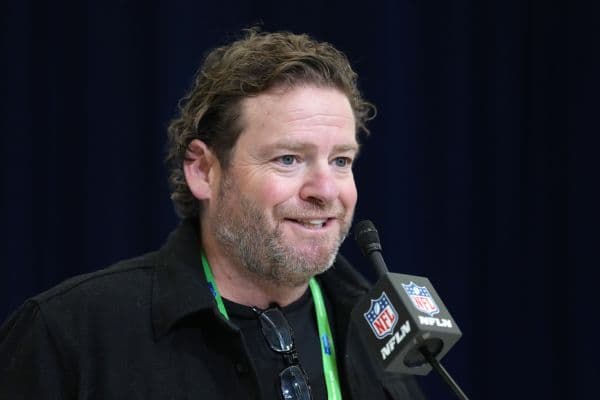
In the high-stakes world of the NFL, uncertainty is often the enemy of progress. However, for the Seattle Seahawks, the looming prospect of a franchise sale is being met with a calculated sense of normalcy. General Manager John Schneider recently addressed the situation, making it clear that despite the inevitable transition of ownership, the front office is operating under a "business as usual" mandate as they navigate a critical offseason.
Maintaining Stability in a Time of Transition
The Seattle Seahawks team sale has been a topic of discussion since the passing of longtime owner Paul Allen in 2018. As the franchise prepares for its next chapter, Schneider emphasized that the day-to-day operations and long-term planning of the football department remain unaffected by the administrative shifts occurring at the highest levels of the organization. For Schneider, the focus remains squarely on roster construction and maintaining the competitive standard that has defined the Seahawks for over a decade.
Addressing the media, Schneider noted that while the ownership situation is a significant storyline externally, it has not altered the financial parameters or the decision-making process within the facility. "It’s business as usual for us," Schneider stated, reinforcing the idea that the scouting, coaching, and management staff are fully empowered to execute their vision for the 2024 season and beyond. This stability is crucial for a team looking to reclaim its spot at the top of the NFC West.
The Paul G. Allen Trust and the Path to Sale
To understand the current state of the Seahawks, one must look at the legal framework established by the late Paul Allen. The Seattle Seahawks team sale is a requirement of the Paul G. Allen Trust, which dictates that his professional sports assets—including the Seahawks and the NBA’s Portland Trail Blazers—must eventually be sold, with the proceeds directed toward Allen's philanthropic interests. While Jody Allen has served as the team’s chair and a steady hand in the interim, the timeline for a formal sale process has remained fluid.
Despite the lack of a definitive closing date for a sale, the organization has benefited from a clear chain of command. Schneider’s comments suggest that the trust has provided the necessary resources to ensure the team does not stagnate. In the NFL, any hesitation in free agency or the draft can set a franchise back years; by maintaining a standard operational procedure, the Seahawks are signaling to players, agents, and fans that they are still very much in the hunt for a championship.
Offseason Priorities for the Seahawks Front Office
With the ownership questions addressed as a secondary concern, the primary focus for Schneider and the front office is the upcoming NFL Draft and the free agency period. The Seahawks are in a position where they must balance veteran leadership with an influx of young talent. Schneider’s "business as usual" approach means the team is aggressively scouting prospects and evaluating the current roster without the constraints that sometimes plague teams in ownership flux.
Key areas of focus for the Seahawks this offseason include:
- Defensive Reinforcements: Strengthening the front seven to better compete with the high-powered offenses of the NFC.
- Offensive Line Depth: Ensuring the protection of the quarterback remains a top priority through both the draft and veteran acquisitions.
- Salary Cap Management: Navigating the financial landscape to maximize the team's ability to retain key playmakers while remaining flexible for future moves.
By keeping the focus on these football-centric goals, Schneider is insulating the locker room from the noise of the boardroom. The Seattle Seahawks team sale may be a headline-grabber, but the work done in the film room and on the practice field remains the priority.
Impact on Coaching Staff and Player Personnel
A change in ownership often brings fears of a complete organizational overhaul. However, Schneider’s insistence on continuity suggests that the current leadership structure is viewed as an asset rather than a liability. For the coaching staff and the players, knowing that the General Manager has the green light to continue building the roster provides a sense of security. This environment is essential for fostering a winning culture, especially when integrated with the new coaching philosophies being implemented this year.
Players entering free agency or those currently under contract can take solace in the fact that the Seahawks are not in a "holding pattern." Schneider’s proactive stance indicates that the team will continue to be aggressive in the market, seeking out talent that fits their culture and scheme. This approach prevents a "lame duck" atmosphere that can often derail teams during a sale process.
Looking Ahead: The Future of the Seahawks
As the Seattle Seahawks team sale eventually moves toward a conclusion, the franchise appears to be in safe hands. John Schneider’s leadership has been a constant through various cycles of the team’s history, and his ability to compartmentalize the ownership transition is a testament to his experience. The Seahawks are a premium NFL asset, and maintaining their on-field success is the best way to ensure a smooth transition to whoever the next owner may be.
For now, the message from the VMAC (Virginia Mason Athletic Center) is clear: the goal is to win games. The administrative details of the trust and the eventual sale will be handled by the appropriate legal and financial entities, while the football people do what they do best. As the NFL offseason kicks into high gear, the Seahawks are moving forward with full confidence, proving that even in times of significant change, the mission remains the same.
Sources & Original Reporting