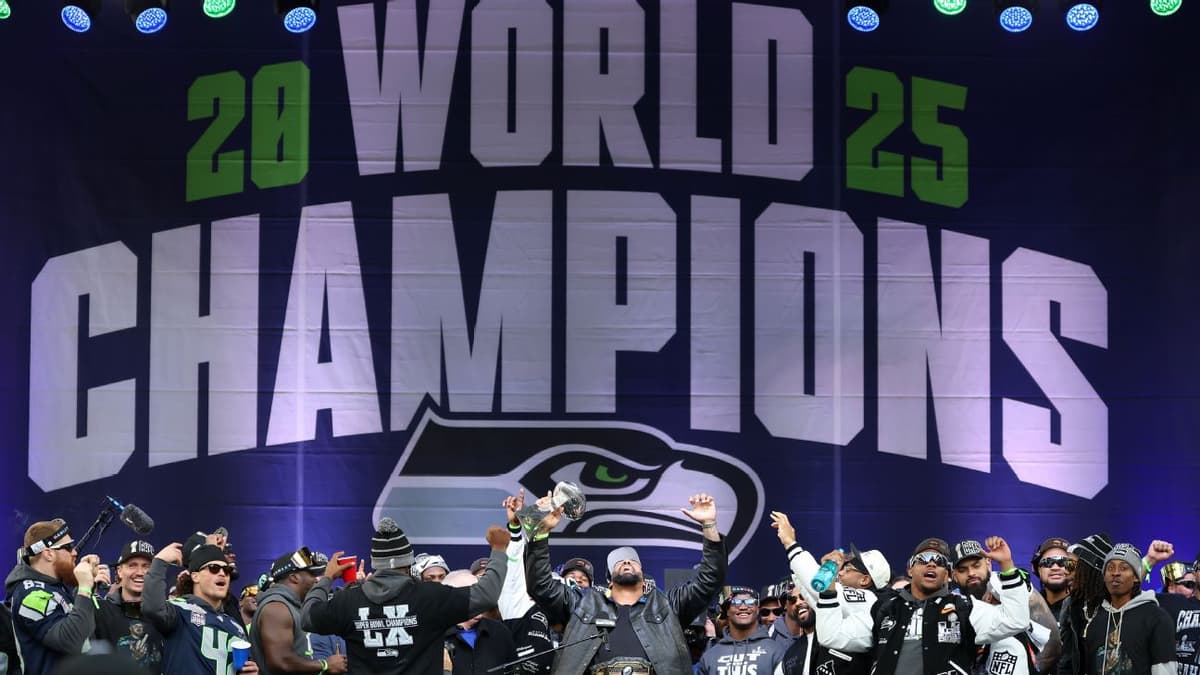
The Seattle Seahawks have long been considered one of the NFL's most stable and successful franchises, but the path toward new ownership is hitting an unexpected snag. According to recent reports, the Seattle Seahawks sale is currently drawing softer interest than league officials had initially projected. While the team remains a premier asset in professional sports, the pool of qualified buyers willing to meet the astronomical valuation of a modern NFL franchise appears to be shallower than anticipated.
Understanding the Current State of the Seattle Seahawks Sale
The transition of ownership for the Seahawks has been a topic of consistent discussion since the passing of longtime owner Paul Allen in 2018. The franchise is currently held by the Paul G. Allen Trust, managed by his sister, Jody Allen. Per the terms of the trust, the team must eventually be sold, with the proceeds designated for Allen's various philanthropic endeavors. However, the timeline for this sale has remained fluid, and recent indications suggest that the league's expectations for a competitive bidding war may have been overly optimistic.
Sources told ESPN that the level of engagement from potential ownership groups has not matched the fervor seen in other recent high-profile sales. This "softer-than-expected" interest comes as a surprise to many NFL officials, given Seattle's strong fan base, modern stadium, and consistent competitive relevance over the last two decades. The league had reportedly expected a more robust list of suitors for what is widely considered a "crown jewel" franchise.
Factors Impacting the Market for NFL Franchises
There are several logistical and financial hurdles that could be contributing to the tepid response regarding the Seattle Seahawks sale. The most obvious factor is the sheer cost of entry. With recent NFL teams selling for record-breaking sums—such as the Washington Commanders' $6.05 billion price tag in 2023—any sale of the Seahawks would likely start at a similar, if not higher, valuation. The number of individuals or groups with the liquidity to write a multi-billion dollar check is incredibly small.
- NFL Ownership Rules: The NFL maintains some of the strictest ownership rules in professional sports. A lead owner must hold at least a 30% equity stake, and there are significant limits on the amount of debt that can be used to finance the purchase, which limits the pool of eligible billionaires.
- Economic Climate: While the NFL is often viewed as a recession-proof investment, high interest rates and broader economic uncertainty can make even the wealthiest investors pause before committing to a $6 billion-plus acquisition.
- The Paul Allen Trust Mandate: Because the sale is mandated by a trust rather than a distressed owner, there may be less urgency to sell, which could lead to a more cautious approach from buyers who feel the price won't be "discounted" to move the asset quickly.
Comparing Seattle to Recent NFL Sales
The "soft" interest in the Seattle Seahawks sale is particularly noteworthy when compared to the sale of the Denver Broncos in 2022. The Broncos sale, which went to the Walton-Penner group for $4.65 billion, was characterized by intense competition among several billionaire-led groups. Similarly, the Washington Commanders sale saw a frantic race to the finish line despite the team's off-field controversies at the time.
If interest in the Seahawks continues to lag, it may signal a shift in the sports ownership market. It is possible that the rapid escalation of team valuations—climbing from $2 billion to over $6 billion in less than a decade—has finally outpaced the growth of the buyer pool. The NFL has recently explored allowing private equity firms to buy minority stakes in teams to provide more liquidity, a move that may become more necessary if majority-owner interest continues to fluctuate for premium teams like Seattle.
What’s Next for the Seattle Seahawks?
For now, the Seahawks remain under the management of Jody Allen and the Paul G. Allen Trust. There is no immediate deadline for a sale to be completed, and the trust has previously stated that the process could take years to finalize. However, the NFL's desire to have a permanent, long-term owner in place remains a priority for the league office, which thrives on the stability provided by committed ownership.
As the league continues to monitor the situation, the focus will remain on identifying a buyer who not only has the capital but also the vision to maintain the Seahawks' status as a cornerstone of the Pacific Northwest community. Whether the interest picks up as the process moves forward or the league has to adjust its expectations remains to be seen. For fans, the primary concern remains the product on the field, even as the boardroom drama continues to unfold behind the scenes.
Sources & Original Reporting