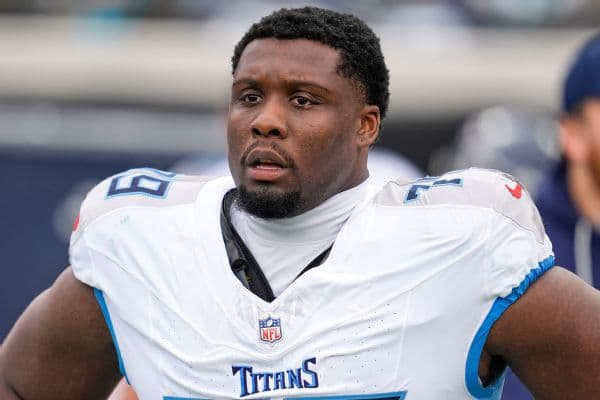
The Tennessee Titans are wasting no time in reshaping their roster for the upcoming season. In a pair of moves that signal a significant shift in the team's veteran core, the organization announced on Wednesday that they have parted ways with starting center Lloyd Cushenberry III and starting safety Xavier Woods. These Tennessee Titans releases represent a clear message from the front office regarding the team's future direction and financial flexibility.
The departure of Cushenberry is particularly noteworthy given the investment the team made in him just a year ago. According to team reports, Cushenberry’s release comes with a failed physical designation, a move that follows a season cut short by a significant injury. Meanwhile, the release of Woods removes a veteran presence from a secondary that has undergone numerous changes over the last twenty-four months.
The Short Tenure of Lloyd Cushenberry III
When the Tennessee Titans signed Lloyd Cushenberry III to a lucrative four-year, $50 million contract during the previous offseason, he was viewed as the foundational piece for a rebuilding offensive line. Coming off a career year with the Denver Broncos, Cushenberry was expected to provide stability for young quarterback Will Levis and anchor a unit that had struggled with consistency.
However, the 2024 campaign did not go according to plan. Cushenberry suffered a torn Achilles in Week 9 against the New England Patriots, an injury that sidelined him for the remainder of the season. The failed physical designation attached to his release suggests that the road to recovery remains a significant hurdle. By moving on from Cushenberry now, the Titans are forced to re-evaluate their interior offensive line strategy, a position that has been a revolving door for the franchise in recent years.
During his limited time on the field for Tennessee, Cushenberry showed flashes of the pass-blocking prowess that made him a top free-agent target. Unfortunately, the combination of a high price tag and a long-term recovery timeline likely made the decision necessary for General Manager Ran Carthon as he looks to maximize the team's salary cap health.
Evaluating the Impact of These Tennessee Titans Releases
While the Cushenberry move was largely dictated by health, the release of Xavier Woods represents a tactical decision in the defensive backfield. Woods, a seasoned veteran who has spent time with the Cowboys, Vikings, and Panthers before joining the Titans, provided a reliable floor for the Tennessee defense. In a secondary that featured several young pieces and high-profile acquisitions like L'Jarius Sneed, Woods was often the stabilizing force at the back end.
The decision to cut Woods suggests that the Titans are looking to get younger and faster in the secondary. It also creates a significant void in leadership. Woods was known for his communication skills and ability to diagnose plays before the snap, traits that are difficult to replace through the draft or lower-tier free agency. His departure leaves the Titans with a clear need at the safety position as they head into the heart of the offseason.
Financial Flexibility and Future Planning
NFL roster management is as much about the balance sheet as it is about on-field performance. By executing these Tennessee Titans releases, the front office is carving out the necessary space to be aggressive in the next phase of team building. The Titans have several holes to fill, particularly on the offensive line and in the pass-rushing department, and the savings garnered from these moves will likely be reinvested into younger talent that fits head coach Brian Callahan’s vision.
The "failed physical" designation for Cushenberry may also have specific implications for how his remaining guaranteed money is handled, though the primary takeaway for fans is that the team is prioritizing availability and long-term health over past investments.
What’s Next for the Titans?
With two starting spots now officially vacant, the Tennessee Titans will likely turn their attention to the upcoming NFL Draft and the second wave of free agency. The offensive line remains the top priority. Without Cushenberry, the Titans must find a new pivot man who can handle the complex protections required in Callahan’s system. Whether they look to a veteran stopgap or a high-round draft pick remains to be seen.
On the defensive side, the safety market is often robust, and the Titans may look to find a more cost-effective partner for Amani Hooker. The goal for this regime is clear: build a roster that is younger, more durable, and more financially sustainable. While losing starters like Cushenberry and Woods is a difficult pill to swallow in the short term, it is a clear indication that the Titans are committed to a full-scale evolution of their roster identity.
As the offseason progresses, Sport Syntax will continue to monitor how the Titans fill these critical gaps and what these moves mean for the team's competitive outlook in a crowded AFC South.
Sources & Original Reporting