The UFL 2026 season has officially come to a close, and league officials are highlighting significant strides in the quest to solidify spring football's place in the American sports landscape. While the path forward remains complex, the merger-born league is reporting positive trends in television ratings, fan engagement, and strategic expansion that suggest a stabilizing future for professional football outside the traditional NFL window. By focusing on core markets and improving the on-field product, the UFL is attempting to break the cycle of failed spring leagues that have come before it.
Rising Ratings and Fan Interest
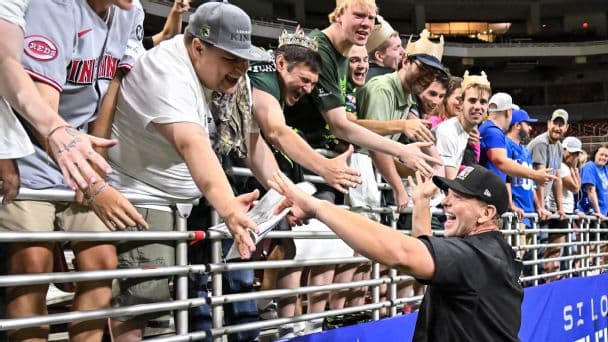
One of the primary metrics of success for the UFL 2026 season has been the steady climb in viewership. League leadership pointed to a consistent audience base that has tuned in for marquee matchups involving established franchises like the St. Louis Battlehawks and the DC Defenders. St. Louis, in particular, continues to serve as the league's gold standard for local support, frequently drawing crowds that rival some mid-market professional sports teams and providing a vibrant atmosphere that translates well to television audiences.
The league has benefited from a streamlined broadcasting partnership that ensures games are accessible to a national audience across major networks. This visibility has been crucial in building brand loyalty, especially as the league moves past the initial novelty phase of the XFL-USFL merger. By securing a reliable weekend slot, the UFL has successfully captured football fans looking for high-quality competition during the NFL offseason, proving that there is a year-round appetite for the sport.
Expansion and the Introduction of New Franchises
Growth was a central theme of the 2026 campaign, highlighted by the integration and performance of new or rebranded markets. The inclusion of teams such as the Columbus Aviators and the Louisville Kings represents a strategic push into "football-hungry" regions that lack immediate NFL competition. These markets have shown early promise in both ticket sales and local television interest, contributing to the league's overall narrative of expansion and stability.
The current roster of teams provides a diverse geographic footprint, including:
- Birmingham Stallions
- Columbus Aviators
- Dallas Renegades
- DC Defenders
- Houston Gamblers
- Louisville Kings
- Orlando Storm
- St. Louis Battlehawks
League officials noted that the success of these franchises is vital for the long-term goal of creating a sustainable ecosystem. By targeting cities with strong collegiate football traditions, the UFL is tapping into existing fanbases that are eager for professional-level play during the spring months.
The United Bowl and On-Field Competition
The culmination of the UFL 2026 season was the United Bowl, an event that served as more than just a championship game; it was a proof of concept for the league's playoff structure and competitive balance. The high-stakes environment provided a platform for standout performers to make their final case for NFL training camp invites. Teams like the Birmingham Stallions, who have maintained a winning culture since the league's inception, continued to set the bar for on-field execution, while the Orlando Storm and Houston Gamblers showed significant improvement throughout the year.
The quality of play has been a major focus for the league's front office. By attracting former NFL players and top-tier collegiate athletes who just missed the cut for the 53-man NFL rosters, the UFL has ensured that the product on the field remains fast-paced and physical. This level of competition is essential for retaining viewers who demand a professional standard of football.
Facing Persistent Challenges and Future Outlook
Despite the "positives" being touted by the front office, the UFL acknowledges that the road to permanent stability is not without hurdles. Financial sustainability remains the most significant challenge. While ratings are up, the costs associated with stadium leases, travel logistics, and player salaries continue to require careful management. The league is still working toward a consistent break-even point that would allow for more aggressive investment in player talent and grassroots marketing.
Furthermore, the UFL must continue to navigate its role as a developmental hub for the NFL. While the "spring-to-fall" pipeline is a major selling point for athletes, it also means the UFL must constantly rebuild its star power as top performers depart for NFL opportunities. However, as the league prepares for 2027, the focus is shifting from mere survival to optimization. With a core group of dedicated fans and a growing list of corporate partners, the UFL is positioned as the most successful attempt at spring football in decades.
Sources & Original Reporting