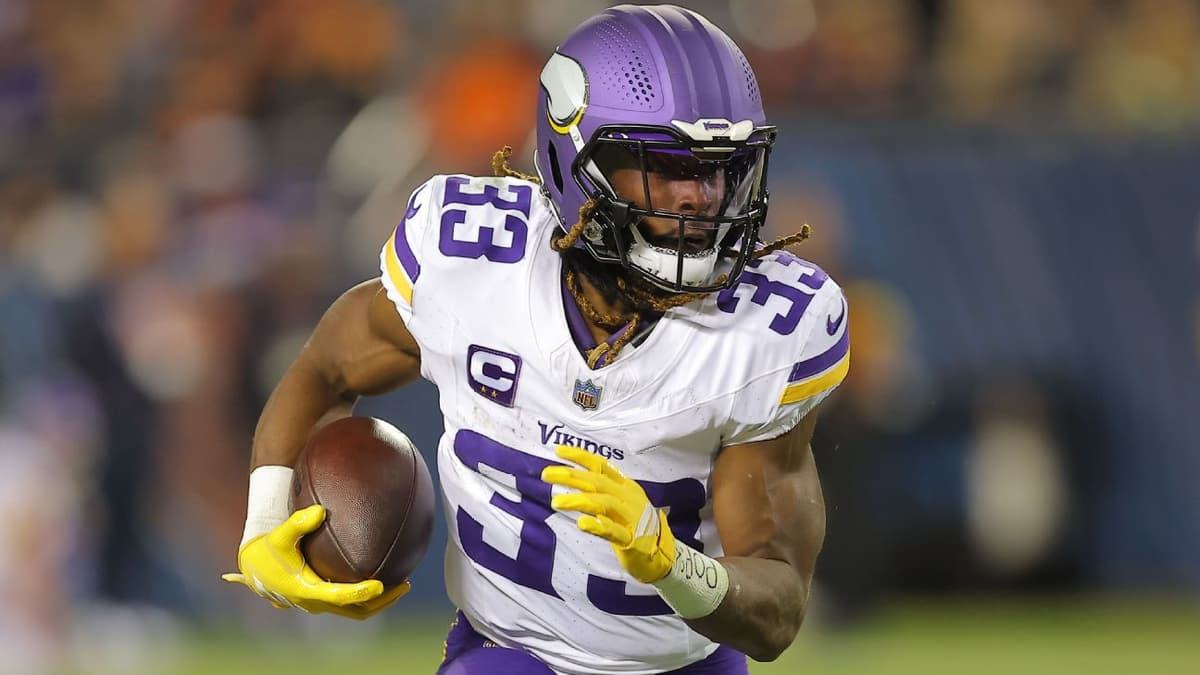
The Minnesota Vikings are ensuring their offensive backfield remains intact for the upcoming season. In a move that provides both veteran leadership and financial flexibility, the team has reached an agreement with star running back Aaron Jones Sr. to restructure his current deal. The news was confirmed by Jones' agent, Drew Rosenhaus, who informed ESPN that the veteran playmaker will remain in Minnesota on a restructured one-year contract rather than being released into free agency.
The Significance of the Aaron Jones Minnesota Vikings Contract Restructure
Retaining a player of Jones' caliber is a significant win for the Vikings' front office. By finalizing the Aaron Jones Minnesota Vikings contract restructure, the organization avoids the need to hunt for a starting-caliber replacement in a volatile market. Jones, who joined the Vikings after a long and successful tenure with the Green Bay Packers, quickly established himself as a focal point of head coach Kevin O’Connell’s offensive scheme.
The decision to restructure rather than release the veteran indicates a mutual desire to continue the partnership. For the Vikings, keeping Jones provides stability for whoever is under center, offering a reliable check-down option and a home-run threat in the running game. For Jones, staying in Minnesota allows him to remain in a system where he has already found success and familiarity with the coaching staff and locker room.
A Strategic Move for the Vikings' Salary Cap
While the specific financial details of the pay cut or bonus conversion were not immediately made public, the primary goal of any contract restructure is typically to manage the salary cap. By reworking the terms of the deal, the Vikings can lower Jones' immediate cap hit, allowing them more breathing room to address other roster needs during the offseason. This move is a classic example of NFL roster management, where veteran players and teams find middle ground to maintain competitive rosters while adhering to strict financial constraints.
Key aspects of the restructured agreement include:
- Retention: Jones will not be released and remains the projected lead back.
- Duration: The deal ensures Jones is under contract for the 1-year term.
- Stability: The Vikings avoid a total overhaul of their rushing attack.
Aaron Jones' Role in the Minnesota Offense
Since arriving in Minnesota, Aaron Jones Sr. has been more than just a ball carrier. His ability to pass-protect and his efficiency as a receiver out of the backfield make him a three-down back in an era where such players are increasingly rare. His presence on the field forces opposing defenses to respect the run, which in turn opens up passing lanes for the Vikings' talented receiving corps.
Last season, Jones proved that he still possesses the burst and vision that made him a Pro Bowler. His veteran presence has also been cited by teammates as a stabilizing force in the huddle. By keeping him in the fold, the Vikings are betting on his continued health and productivity to lead their ground game. The Aaron Jones Minnesota Vikings contract update serves as a clear signal that the team remains in a "win-now" mode, prioritizing proven talent over the uncertainty of the draft or lower-tier free agents.
What This Means for the Vikings' Offseason
With Jones officially staying in the fold, the Vikings' offseason checklist becomes a bit clearer. The front office can now pivot their focus toward other areas of the roster, such as the defensive line or secondary, knowing that the running back position is anchored by a high-level veteran. It also provides a veteran mentor for any younger backs currently on the roster or those the team might look to add for depth later in the spring.
The move has been met with positive reactions from the Vikings' faithful, who have quickly embraced Jones as one of their own. As the NFL calendar moves toward the new league year, this restructure stands as one of the first major dominoes to fall for Minnesota as they look to build a championship-caliber squad around their core offensive stars.
Sources & Original Reporting